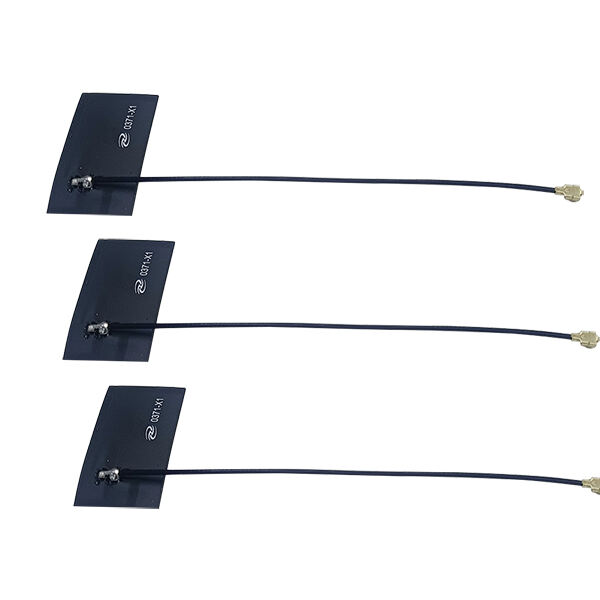
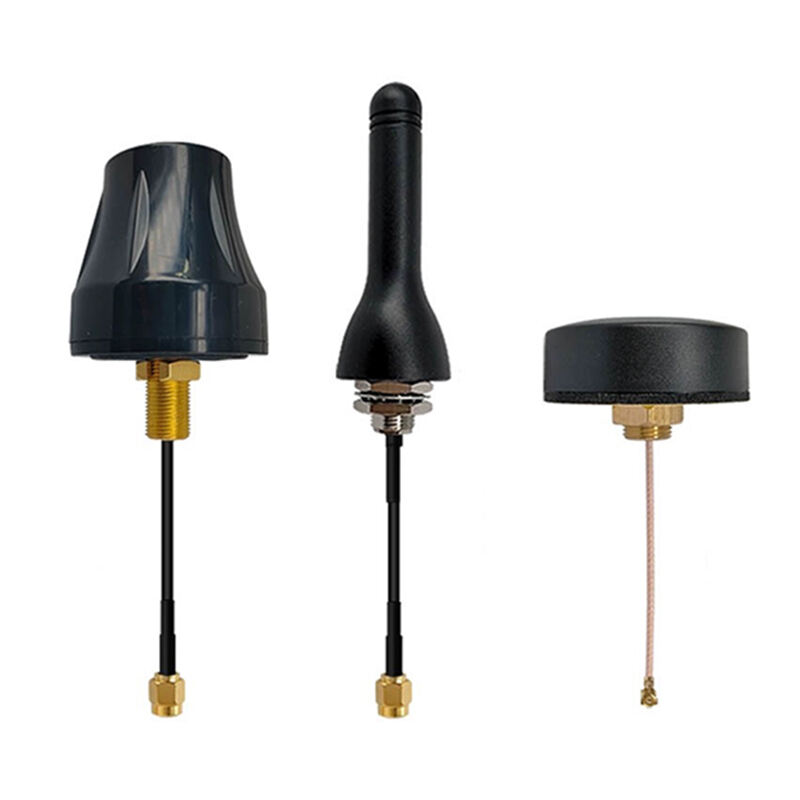
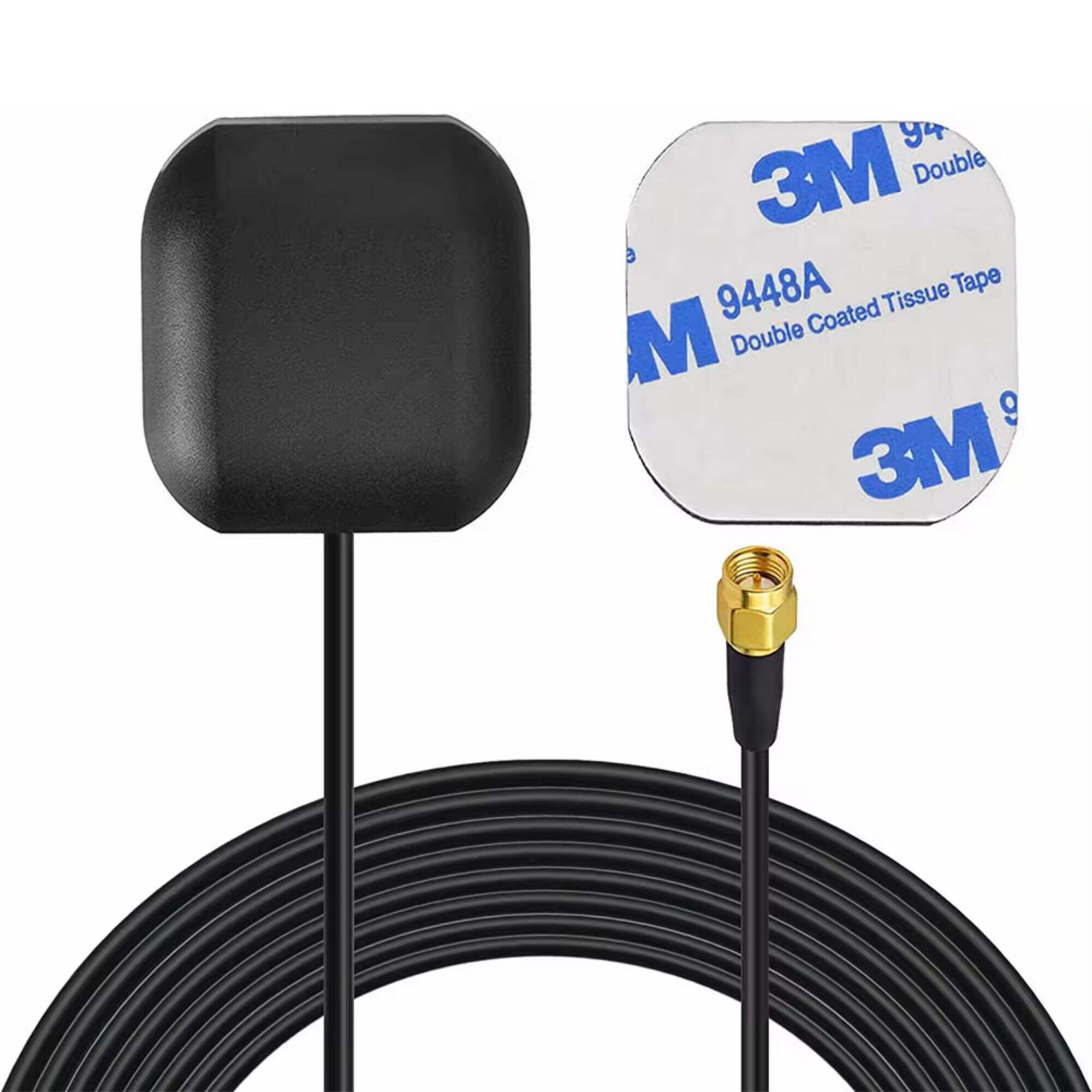
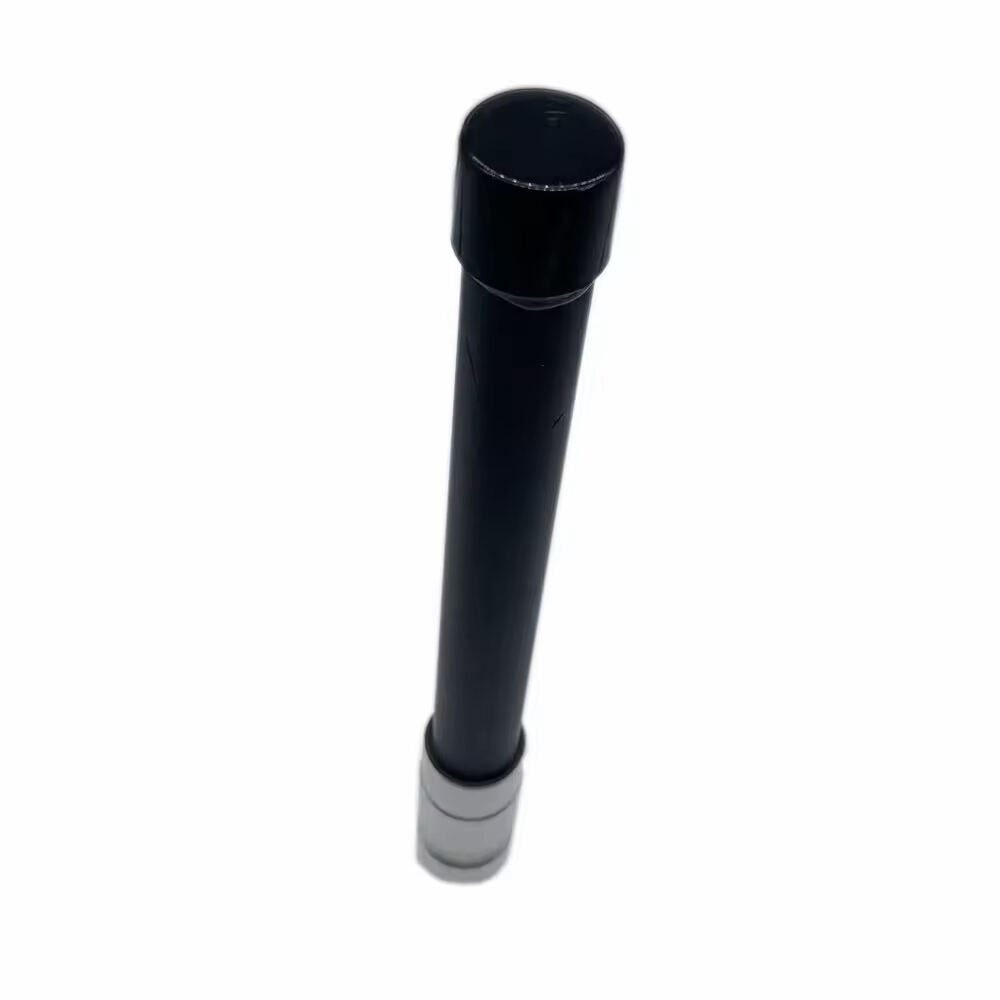
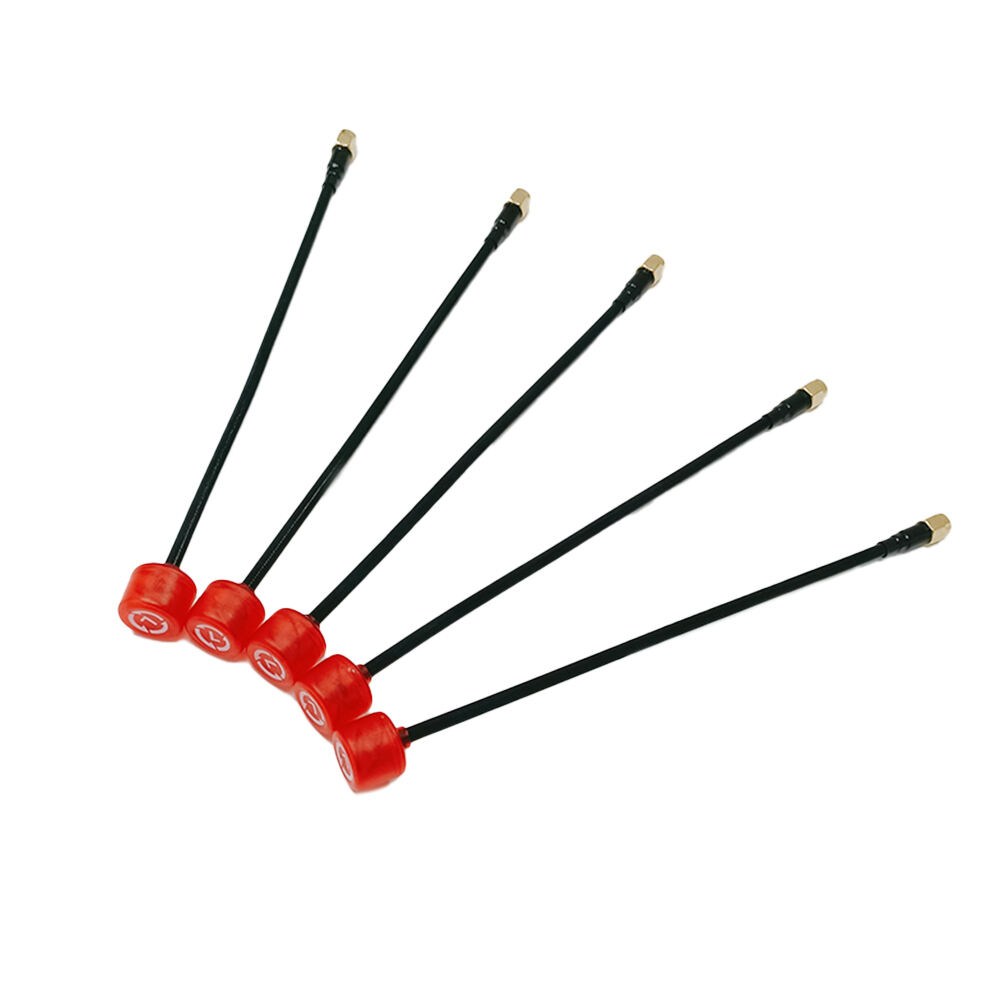
GPS chip antennas are small and very powerful elements that enable people to track their vehicles easily by signals of satellite when they navigate through the city. They are most commonly employed on vehicles like cars and trucks for providing real-time location information, speed or even the direction in which they are travelling. Today, let's take a look at how the innovation of GPS chip antennas has been changing our lives in all fields.
GPS chip antennas are used to receive signals from satellites orbiting the earth, which when processed create information about a vehicle's position and speed. The vehicle communicates with satellites through these antennas, which give us a pretty good idea of where we are and our speed. The antennas are what ultimately connect to a GPS chip, which serves as a small computing decoding those signals and therefore one of the most crucial parts of our navigation systems.
The GPS chip captures signals and then engages in a process called trilateration to determine the exact location of the vehicle. By measuring the intervals it takes for signals from different satellites to reach the antenna, this chip can calculate quite exactly where on earth your vehicle is. In turn, the data is sent to an onboard vehicle computer or a central monitoring station where it can be used for fleet management and tracking vehicles (recovered stolen vehicles).
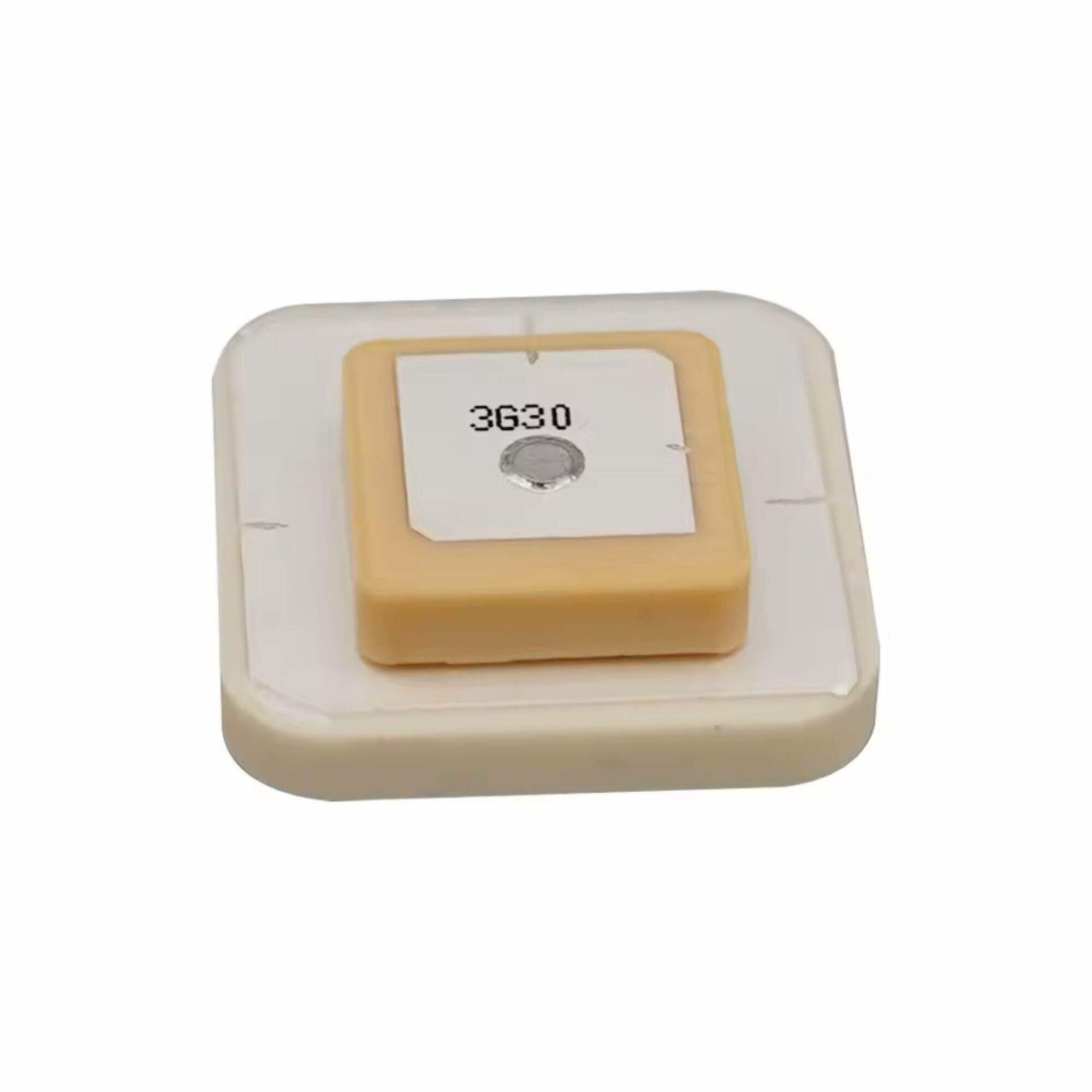
GPS chip antennas are leading contributors towards smooth and less complicated navigational experience. Real-time tracking is just one example, providing accurate speed and location information while allowing new maps and navigation updates to be pushed out quickly. So they are very versatile: small, and easy to install in a variety of scenarios.
That being said, GPS chip antennas have some limitations that make them slightly less versatile solutions. For example, they can lose signal quite easily in places where there are fewer satellites i.e. dense forests or tall buildings present on urban areas If the weather is bad (due to heavy rain or snow) it also degrades the signal which makes navigation less reliable.
Despite this, GPS chip antennas remain a common choice for navigation and tracking requirements due to the ease of use and precision they offer.
Select the Best GPS Chip Antenna For Your Next Project
There are several important factors to consider when choosing the right GPS chip antenna for your project. These include the type of vehicle or equipment you want to track, how accurate it needs to be and what environment the antenna will need to operate in.
For instance, if you track a fleet of trucks in an urban city environment where the signal is often obstructed by many things like buildings and cars having an antenna with superior signals could help. On the other hand, if you are tracking equipment in remote areas that require a longer range for antenna to make it over long distances and still have good signal transmission.
Designers also must factor in a few more details when selecting the GPS chip antenna, such as its size and weight, what kind of connector it uses for mounting and - perhaps most importantly - whether an external power source is needed or if it can be powered by visiting current from the host system.
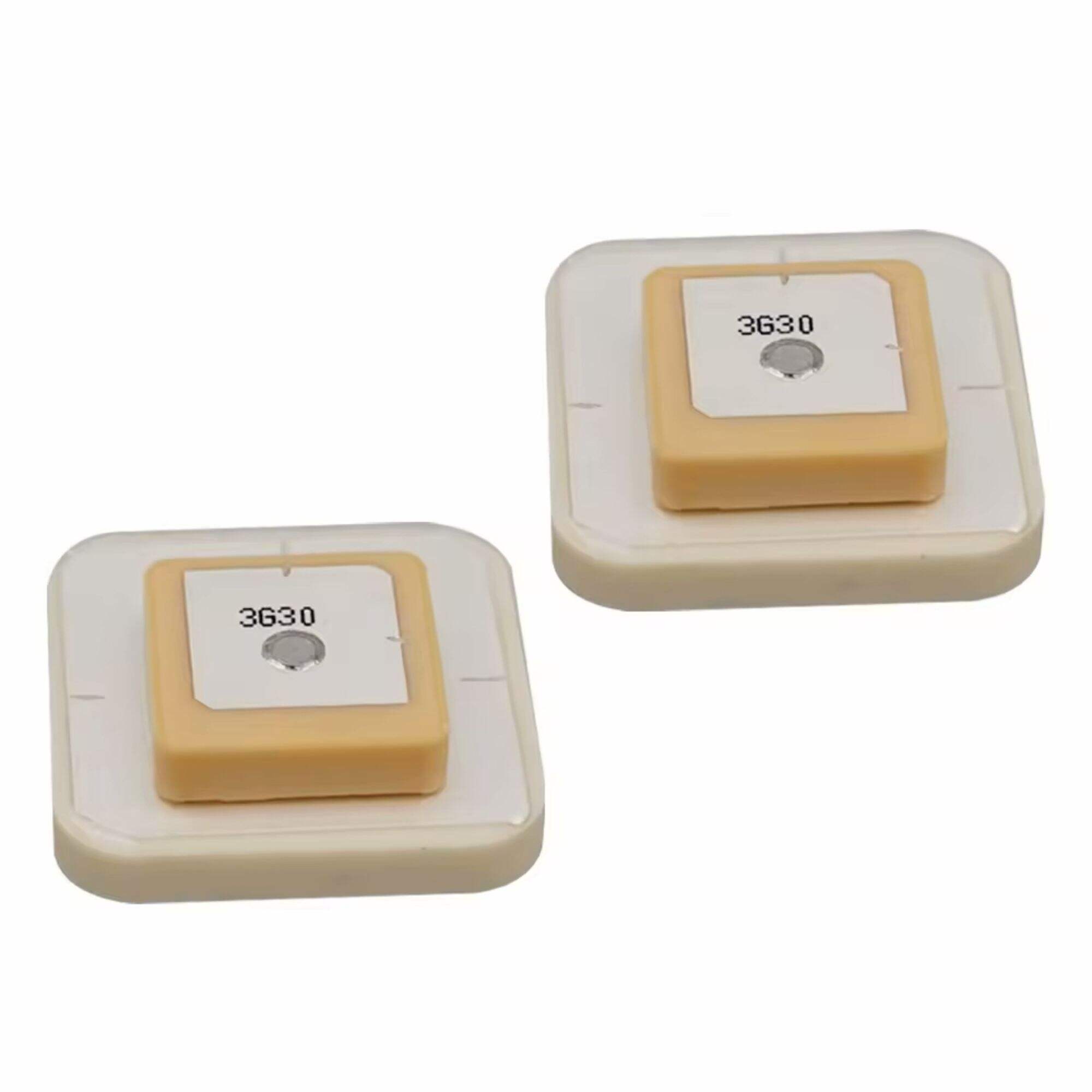
A problem with these GPS chip antennas is providing a reliable signal in different environments. To solve this, manufacturers are always trying to come up with new technologies and designs for antennas which boosts the strength of a signal as well provide constant signals.
One of the recent innovations in GPS chip antenna technology is using multiple antennas to improve signal strength and accuracy. Such antennae, which can be built by pooling signals from satellites-more the merrier elsewhere-offer some demented advantage to navigation systems. Furthermore, advances in materials and coatings enables the development of top quality antennas that are efficient and experience little to no interference from adjacent electronic devices.
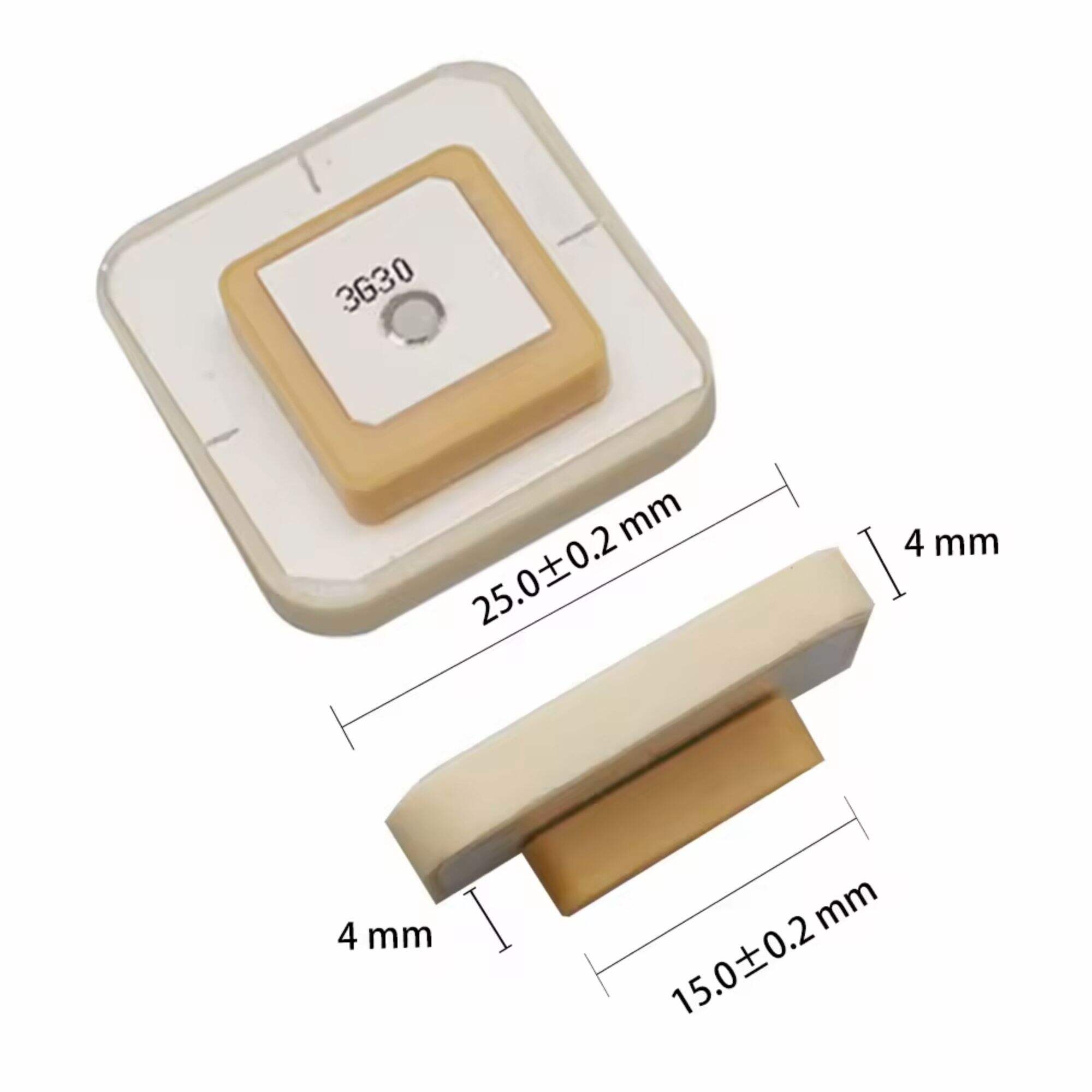
Miniaturization of GPS chip antennas is beneficial not only for improving signal power and performances but also in extending the scope for other applications.
For antennas, miniaturization means making them smaller and reducing their weight while keeping (or even enhancing) performance. This will be done via the use of new materials, design techniques and manufacturing methods to produce GPS chip antennas that are smaller and lighter. The compact antennas can be used in a wide of applications such as wearable devices and drones, to autonomous vehicles, or any other Internet-of-Things (IoT) enabled device.
Therefore, in summary chip GPS antennae are strong as well since they assist simplify automobile monitoring and also make good use of satellite signal for training the automobiles. GPS Chip Antennas provide you easily, accuracy and sureness exactly where ever are in the world may be for example your tracking fleet of trucks or monitoring equipment at remote site and navigating to somewhere new. Antenna, receiving and transmitting elements are technically balanced in small size which allows significant improvements leading to confidence for these devices as indispensable components of current navigational and tracking systems.
Signal Plus Technology Co, Ltd leading producer 2G/3G/4G/5G antenna, gps chip antenna, Lora antenna, GPS antenna, FPC/PCB analogue, Combo antennas, Fiberglass antennas etc Since founding year 2015, 9000 square meter factory a well-experienced RD team.
Signal Plus 10 gps chip antenna manufacturing experience the LTE antenna,GPS antenna industry.Annual shipment quantity reaches 20,000,000 antenna units.Company 450+employees production 20 Lines meets all customers'requirements full terms.
Can offer simulation service HFSS software. HFSS software provide simulation service.lt declared a "high technological enterprise province Shanghai gps chip antenna"
Over 20 gps chip antenna engineers, RF engineers 285 production workers 10,000 SM factory. There 62 patents related communication antennas GPS antennas. Over 100 countries areas served.

 EN
EN
 ES
ES
 PT
PT
 NL
NL
 AR
AR
 HR
HR
 CS
CS
 DA
DA
 FI
FI
 FR
FR
 DE
DE
 EL
EL
 IT
IT
 JA
JA
 KO
KO
 NO
NO
 PL
PL
 RO
RO
 RU
RU
 SV
SV
 TL
TL
 IW
IW
 ID
ID
 LT
LT
 SR
SR
 SK
SK
 SL
SL
 UK
UK
 VI
VI
 ET
ET
 HU
HU
 MT
MT
 TH
TH
 TR
TR
 FA
FA
 GA
GA
 BE
BE
 IS
IS
 LB
LB
 BG
BG