
 EN
EN
 ES
ES
 PT
PT
 NL
NL
 AR
AR
 HR
HR
 CS
CS
 DA
DA
 FI
FI
 FR
FR
 DE
DE
 EL
EL
 IT
IT
 JA
JA
 KO
KO
 NO
NO
 PL
PL
 RO
RO
 RU
RU
 SV
SV
 TL
TL
 IW
IW
 ID
ID
 LT
LT
 SR
SR
 SK
SK
 SL
SL
 UK
UK
 VI
VI
 ET
ET
 HU
HU
 MT
MT
 TH
TH
 TR
TR
 FA
FA
 GA
GA
 BE
BE
 IS
IS
 LB
LB
 BG
BG

/images/share.png)
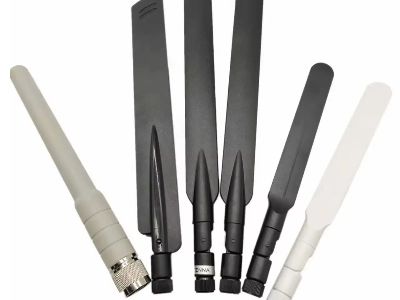
When you need to pick an industrial dual band antenna for both 2.4G and 5.8G signals, there are a few important things to think about. First, you need to know what you want the antenna to do. Is it for a factory, a warehouse, or another place? Each place has different needs. For example, if you are using it in a factory with lots of machines, you want an antenna that can work well in that busy environment. You might also want to think about the size of the area where the antenna will be used. If the area is large, you may need a stronger antenna. The quality of the antenna is very important too. You want something that lasts and works well over time. Signal is a brand known for making reliable antennas that can handle tough conditions. You also have to check if the antenna can connect to both the 2.4G and 5.8G bands at the same time. This is called concurrent communication. Some antennas can do this better than others. Lastly, think about the price. It’s good to find something that fits your budget but still does a great job
When selecting industrial dual band antennas for 2.4G and 5.8G, there are several considerations that can help you make the right choice
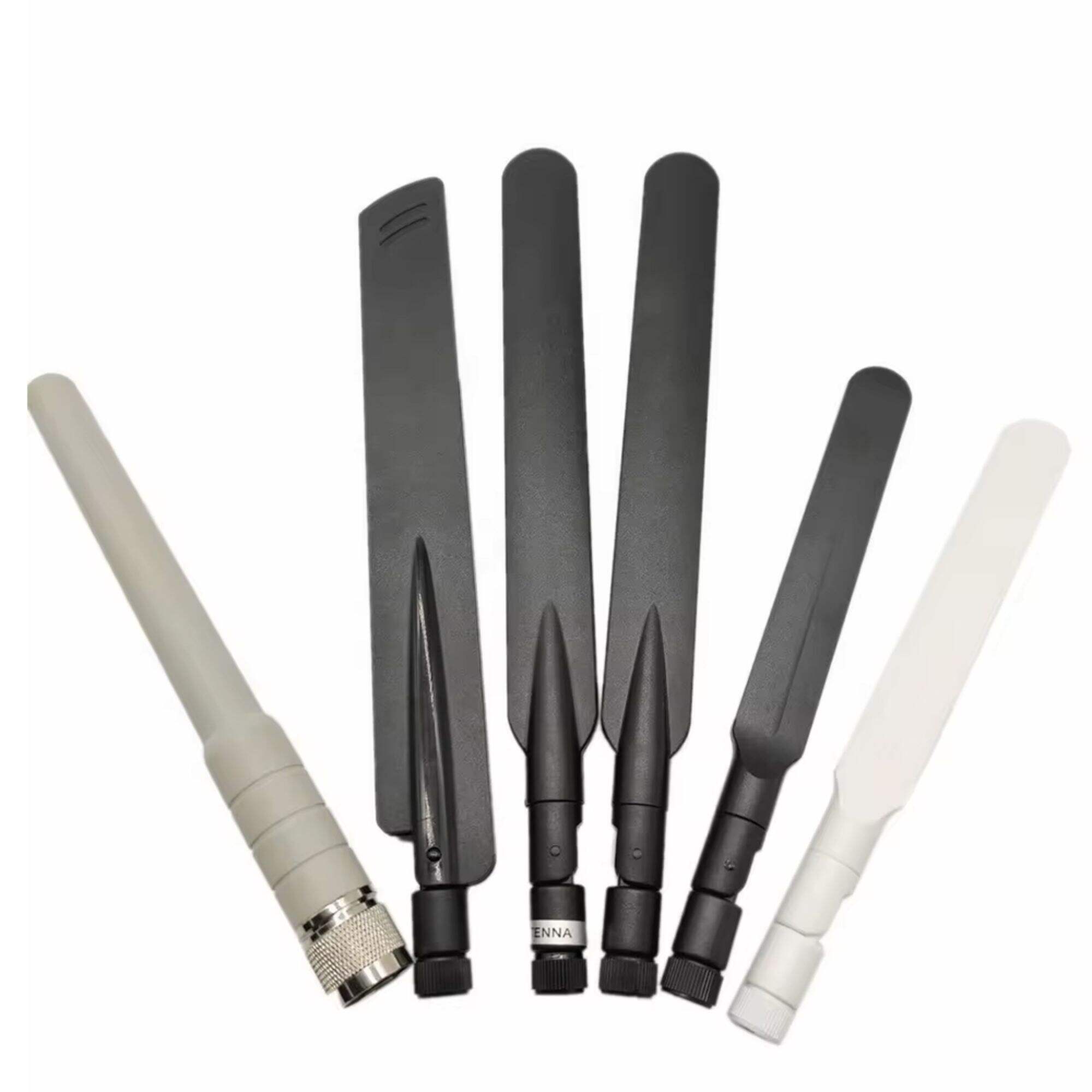
First, assess the frequency range of the antenna. You want to ensure that it can operate well on both bands. This is crucial for smooth communication. The gain of the exterior wifi antenna is also important. Gain helps you understand how well the antenna can send and receive signals. A higher gain often means a stronger signal, which is useful for long distances. Look into the type of connectors the antenna uses. Some antennas use SMA connectors, while others might use N connectors. Make sure the connector matches your equipment. Environmental factors also matter. If the antenna will be outside, it should be weatherproof. Antennas made by Signal can withstand different weather conditions, ensuring they work when you need them. Another thing to consider is how easy it is to install the antenna. Some antennas come with mounting kits, which make the setup easier. Finally, consider the warranty and customer support offered by the manufacturer. A good warranty shows that the company trusts its product, and helpful support can make a difference if you have questions or issues later
Finding high-quality industrial dual band antennas for wholesale purchase can be done in a few ways. One of the best places to start is online. There are many websites that specialize in electronic parts. You can compare prices and read reviews to see what other customers think. Look for suppliers that offer bulk deals or discounts for larger orders. This can save you money in the long run. Another option is to check trade shows or industry expos. These events often showcase the latest technology, including antennas. You can meet manufacturers in person, like Signal, and ask questions directly. It’s also a great way to see the products up close before buying. Don’t forget to check local suppliers too. Sometimes, local businesses can provide better shipping options or quicker service. If you have a specific need, calling a supplier can help. They might have recommendations or even custom solutions for your project. Finally, always ask about the return policy. If something doesn’t work as expected, you want to know that you can return it easily
What Are the Key Benefits of Using Dual Band Antennas for 2.4G & 5.8G Communication
Using dual band antennas is like having two tools in one. These antennas can work on two different frequencies: 2.4 gigahertz (G) and 5.8G. This is important because different devices use these frequencies for communication. For example, many Wi-Fi devices, like your tablet or computer, use 2.4G. This frequency is great for covering larger areas but may be slower and can get crowded. On the other hand, 5.8G is faster and works well for devices that are closer together, but it doesn't cover as much distance. By using a dual band antenna, you can get the best of both worlds
One of the main benefits of using a dual band antenna is better connectivity. When you have both 2.4G and 5.8G, you can connect more devices without losing speed. This is especially useful in busy places like factories or schools, where lots of devices are trying to connect at the same time. With Signal's dual band antennas, you can keep everything running smoothly
Another benefit is flexibility. Some devices work better on one frequency over the other. For example, if you are far from the router, your device might connect better at 2.4G. But if you are close, 5.8G might be faster. With a dual band antenna, your devices can switch to the best frequency automatically. This means you can enjoy streaming videos, playing games, or working online without interruptions
Lastly, using dual band antennas can save money. Instead of buying two separate antennas for different frequencies, you can have one dual band antenna that does both jobs. This saves space and makes things simpler. With Signal's dual band antennas, you get powerful performance while keeping costs down
What Makes a Reliable Dual Band Antenna for Concurrent Communication
A good dual band antenna needs to be strong and dependable. When you think of reliability, you want to look for a few key features. First, the antenna should have a good range. This means it should be able to send and receive signals over a good distance. If you are using it in a big area, like a factory or a large office, a reliable antenna will help ensure that everyone can connect without problems
Another important feature is the antenna's ability to handle multiple devices at once. In busy environments, many devices try to connect to the antenna. A reliable dual band antenna can manage this traffic without slowing down. Signal's antennas are designed to work well under heavy use, so you won’t have to worry about your connection dropping when everyone is online
The quality of the materials used to make the antenna also matters. A strong and well-built antenna will last longer and work better. If the materials are cheap, the antenna might break or stop working properly. Signal uses high-quality materials to make sure their antennas can withstand different conditions. This means they will keep working even in tough environments, like places with dust, moisture, or changes in temperature
Finally, having good customer support is essential. If something goes wrong or if you have questions, you want to be able to get help easily. Signal provides excellent customer support, so you can always find answers and solutions when you need them. This adds to the reliability of using Signal's dual band antennas for all your communication needs
What Are the Latest Trends in Industrial Dual Band Antenna Technology
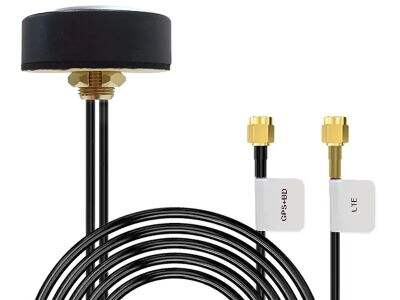
Technology is always changing, and dual band external wifi antennas are no exception. One of the latest trends is making antennas smaller and more powerful. In the past, antennas were often big and bulky, but now engineers are finding ways to make them more compact. This is great for saving space, especially in crowded environments like factories or warehouses. Signal is leading the charge with innovative designs that pack a lot of power into small packages
Another exciting trend is the use of smart technology in antennas. Some new dual band antennas can automatically switch between 2.4G and 5.8G based on what is happening around them. This means they can choose the best frequency for each situation, helping to reduce interference and improve connection quality. With Signal's smart antennas, you don't have to worry about adjusting settings; the antenna does it for you
Lastly, there is a growing focus on sustainability. Many companies are now looking for ways to make their products more eco-friendly. This includes using recyclable materials and reducing energy consumption. Signal is committed to sustainability, which means that while they provide high-quality antennas, they are also thinking about the impact on the planet
Table of Contents
- When selecting industrial dual band antennas for 2.4G and 5.8G, there are several considerations that can help you make the right choice
- What Are the Key Benefits of Using Dual Band Antennas for 2.4G & 5.8G Communication
- What Makes a Reliable Dual Band Antenna for Concurrent Communication
- What Are the Latest Trends in Industrial Dual Band Antenna Technology
