
 EN
EN
 ES
ES
 PT
PT
 NL
NL
 AR
AR
 HR
HR
 CS
CS
 DA
DA
 FI
FI
 FR
FR
 DE
DE
 EL
EL
 IT
IT
 JA
JA
 KO
KO
 NO
NO
 PL
PL
 RO
RO
 RU
RU
 SV
SV
 TL
TL
 IW
IW
 ID
ID
 LT
LT
 SR
SR
 SK
SK
 SL
SL
 UK
UK
 VI
VI
 ET
ET
 HU
HU
 MT
MT
 TH
TH
 TR
TR
 FA
FA
 GA
GA
 BE
BE
 IS
IS
 LB
LB
 BG
BG

/images/share.png)
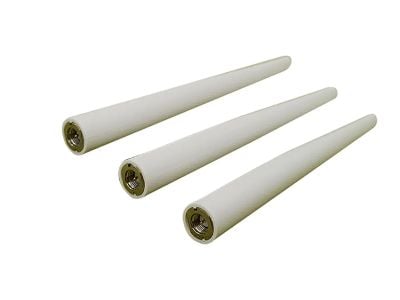
High-stability GPS antennas are very important for devices that connect to the Internet of Things (IoT). These antennas help devices find their exact location, which is crucial for many applications. Whether it’s a smart car, a delivery drone, or a weather station, knowing where the device is helps it work better. Our company, Signal, makes high-quality GPS antennas that can improve how IoT devices perform. When you have a strong and stable GPS signal, the devices can send and receive data more accurately. This means better services for everyone who uses these technologies.
How High-Stability GPS Antennas Enhance IoT Device Performance
High-stability GPS antennas are key to the success of IoT devices. They help these devices know where they are, which is very important for many reasons. For example, a smart car needs to know its location to navigate safely. If the GPS signal is weak or unstable, the car might make mistakes. This can lead to accidents, which no one wants. With the right GPS antenna from Signal, these devices can get a strong signal even in tough conditions, like tall buildings or bad weather.
Another reason these antennas are important is that they help devices work together. For instance, if many delivery drones are flying in the same area, they need to know where each other is. If one drone loses its GPS signal, rf connectors could crash into another. By using high-stability antennas, each drone can keep its GPS signal strong, ensuring safe flights.
Also, high-stability GPS antennas make devices more dependable. For example, a weather station needs to send weather data to a central system. If the GPS signal is weak, this data might not get sent correctly. But with a strong antenna, the data can be sent accurately and on time. This is very important for people who rely on weather information.
Lastly, using a reliable GPS antenna can save money in the long run. Devices that work correctly reduce costs from mistakes and accidents. People can trust that when they use devices with Signal antennas, they’ll get the best performance. This leads to happier customers and better services, which is what we all want.
Common Usage Issues with GPS Antennas in IoT Applications
While GPS antennas are crucial, they can also have issues in IoT applications. One common problem is interference. This happens when other signals, like from cell phones or Wi-Fi, confuse the GPS signal. Imagine trying to listen to your favorite song, but someone turns on a loud radio nearby. It’s hard to hear! In the same way, if there’s interference, the GPS device might struggle to find its location.
Another issue is the physical location of the antenna. If the antenna is hidden or blocked, rf coaxial connector can’t receive a good signal. Think about how a phone works better when you’re outside rather than inside a building. The same goes for GPS antennas. They need to be placed where they can easily reach the sky to get the best signals.
Also, the design of the antenna matters. Some devices might not have the right kind of antenna for the job. For example, if an antenna is made for cars but is used on a small drone, it might not work well. That's why it’s important to choose the right antenna for each device. Signal offers various antennas designed for different uses, making it easier to find the perfect fit.
Lastly, weather can also affect GPS performance. Heavy rain, clouds, or snow can block signals, just like fog can make it hard to see while driving. To solve this, using antennas that are designed to work in different weather conditions can help. Signal’s high-stability antennas are built to handle various situations, ensuring that your IoT devices perform well, no matter the weather.
By understanding these common issues, users can better choose the right GPS antenna for their IoT devices. With a good choice, devices can work reliably and efficiently, making life easier and safer for everyone.
What Makes a High-Stability GPS Antenna Ideal for IoT Terminals?
A high-stability GPS antenna is very important for IoT terminals, which are small devices that connect to the internet. These antennas help the devices know their exact location. When we say "high-stability," it means the antenna can work well even when the signal is weak or when the device is moving fast. This stability is important because many IoT devices are used in cars, drones, and other moving objects. If the GPS antenna is not stable, it may give wrong location data, leading to mistakes.
One feature that makes a GPS antenna stable is its design. High-stability antennas are often built with special materials that can resist interference from other signals. This helps them get a clear GPS signal from satellites, even in crowded places like cities. Another important feature is the antenna’s ability to work in different weather conditions. Whether rf cable is sunny, rainy, or snowy, a good GPS antenna should be able to provide accurate information.
Signal strength is also crucial. A high-stability GPS antenna has a strong signal that can reach far distances. This is especially important for IoT devices that are used outdoors or in large areas. The stronger the signal, the better the performance of the device. Finally, high-stability GPS antennas are designed to be energy-efficient. This means they use less power, which is great for battery-operated IoT terminals. When the antenna doesn’t use much power, the device can last longer without needing to be charged.
In summary, a high-stability GPS antenna is ideal for IoT terminals because it provides accurate location information, works well in different conditions, has a strong signal, and saves energy. At Signal, we focus on creating GPS antennas that meet these high standards, ensuring your IoT devices perform at their best.
How to Ensure Compatibility of GPS Antennas with Your IoT Devices
When you want to use a GPS antenna with your IoT device, it’s important to make sure they are compatible. Compatibility means that the antenna can work with your device without any problems. First, you should check the connection type. Different devices have different ways to connect antennas. Some might use a simple plug, while others may need special connectors. At Signal, we offer a range of antennas with various connection types, so you can find one that fits your device perfectly.
Next, you need to look at the voltage requirements. Some antennas need more power to work than others. It is essential to match the antenna’s voltage with what your IoT device can provide. If the voltage is too high or too low, the antenna may not work correctly or could even get damaged. Always read the specifications of both the antenna and your device to ensure they match.
You should also consider the size of the antenna. If the antenna is too big, it might not fit well with your device. On the other hand, if it is too small, it may not pick up signals effectively. It is recommended to choose an antenna that fits well with your IoT terminal without being too bulky.
Lastly, think about the environment where your IoT device will be used. If it will be outside, you may need a more robust antenna that can handle rain, snow, or dust. Signal provides antennas that are designed for different environments, helping you find the best fit for your needs. By following these steps, you can ensure that your GPS antenna is compatible with your IoT device, leading to better performance and reliability.
How to Troubleshoot Common Issues with High-Stability GPS Antennas in IoT Systems
Sometimes, even the best high-stability GPS antennas can run into problems. If your IoT device isn’t getting the right location information, it’s essential to troubleshoot the issue. The first step is to check the antenna connection. Make sure it is securely attached to the device. A loose connection can cause the antenna not to work properly. If the connection looks fine, inspect the cable for any damage. A broken or frayed cable can interrupt the signal.
Next, look at the environment where your device is located. High-stability GPS antennas work best when they have a clear view of the sky. If your device is inside a building, under a bridge, or surrounded by tall buildings, the GPS signal may be blocked. Try moving the device to an area with a clearer view of the sky to see if the signal improves.
Another thing to check is the settings of your IoT device. Sometimes, the software may not be set up correctly to use the GPS antenna. Make sure that the GPS settings are enabled and that the software is up to date. At Signal, we recommend regularly checking for updates to ensure your device runs smoothly.
If you have tried all these steps and the problem still exists, you may need to test the antenna with another device. This can help you determine if the issue is with the antenna itself or the IoT device. If the antenna works with another device, then the problem is likely with your IoT terminal. If it doesn’t work with another device, it may be time to replace the antenna.
Table of Contents
- How High-Stability GPS Antennas Enhance IoT Device Performance
- Common Usage Issues with GPS Antennas in IoT Applications
- What Makes a High-Stability GPS Antenna Ideal for IoT Terminals?
- How to Ensure Compatibility of GPS Antennas with Your IoT Devices
- How to Troubleshoot Common Issues with High-Stability GPS Antennas in IoT Systems
