
 EN
EN
 ES
ES
 PT
PT
 NL
NL
 AR
AR
 HR
HR
 CS
CS
 DA
DA
 FI
FI
 FR
FR
 DE
DE
 EL
EL
 IT
IT
 JA
JA
 KO
KO
 NO
NO
 PL
PL
 RO
RO
 RU
RU
 SV
SV
 TL
TL
 IW
IW
 ID
ID
 LT
LT
 SR
SR
 SK
SK
 SL
SL
 UK
UK
 VI
VI
 ET
ET
 HU
HU
 MT
MT
 TH
TH
 TR
TR
 FA
FA
 GA
GA
 BE
BE
 IS
IS
 LB
LB
 BG
BG

/images/share.png)
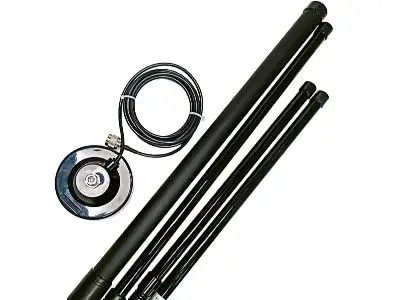
Wearable and portable devices are everywhere these days. From smart watches to fitness trackers, people use them for many reasons. They help us keep track of our health, stay connected, and even navigate through our daily lives. One important part of these devices is the antenna. Recently, low profile Flexible Printed Circuit (FPC) antennas have become popular in these gadgets. Our company, Signal, has been at the forefront of designing and manufacturing these antennas.
Introduction
Low profile FPC antennas offer many benefits for wearable technology. First, they are thin and lightweight, which makes them easy to fit into small devices. This is super important because no one wants to wear a heavy smartwatch or carry a bulky fitness tracker. Thin antennas can be easily placed in different spots, even curved ones. This means designers have more freedom to create stylish and comfortable devices. Also, these antennas work well with various wireless technologies, like Bluetooth and Wi-Fi. This flexibility allows devices to connect easily and quickly to the internet or other devices, making them more useful.
Benefits
When it comes to portable devices, low profile FPC antennas really boost performance. One major factor is their ability to send and receive signals effectively. Good signal strength is vital for devices like smartphones and tablets, which rely on strong connections for calls, streaming, and browsing the web. A strong antenna can improve call quality and reduce dropped calls, making communication smoother. Furthermore, these antennas are designed to work well in crowded environments, where many devices are trying to connect at once. This is really helpful in places like concerts or sports events, where everyone is using their phones. Another benefit is how low profile FPC antennas can support multiple frequencies. This means that the same antenna can work for different types of connections, like 4G, 5G, and Wi-Fi.
Common Issues with Low Profile FPC Antennas and How to Overcome Them
Low profile FPC (Flexible Printed Circuit) antennas are great for wearable and portable devices like smart watches and fitness trackers. However, they can have some problems. One common issue is signal strength. Sometimes, the signal isn’t strong enough, which means the device might not connect well to the internet or other devices. This is especially important for devices that need to stay connected all the time. To fix this, we can choose the right materials and design the LTE antenna carefully. For example, using good conductive materials can help make the signal stronger. Another issue is placement. If the antenna isn’t placed correctly in the device, it might not work well. To overcome this, we need to think about where the antenna will go when designing the device. Testing different positions can help find the best spot.
Where to Find Reliable Suppliers for Low Profile FPC Antennas?
Finding a trustworthy supplier for low profile FPC antennas is very important for anyone making wearable or portable devices. A good supplier can provide high-quality LTE 4g antenna that fit our needs. One way to find reliable suppliers is to search online. Many websites list suppliers that specialize in FPC antennas. When looking online, it’s helpful to read reviews from other customers. This gives us an idea of how good the supplier is and if they deliver on time. Another good way to find suppliers is to attend trade shows or industry events. These events bring together many suppliers and manufacturers, making it easy to talk to them face-to-face. At these events, we can ask questions about their products and see samples of their antennas.
Quality of Low Profile FPC Antennas in Portable Applications?
Several factors can affect the quality of 5g antenna in portable applications. First, the design of the antenna is crucial. A well-thought-out design can lead to better performance. If the antenna is not designed correctly, it might not capture signals well or could have a weak connection. The materials used in making the antenna also play a big role. High-quality materials, like good conductors, can improve signal strength and reduce interference. Another important factor is the manufacturing process. If the antenna is not made carefully, it could have defects that affect its performance.
