
 EN
EN
 ES
ES
 PT
PT
 NL
NL
 AR
AR
 HR
HR
 CS
CS
 DA
DA
 FI
FI
 FR
FR
 DE
DE
 EL
EL
 IT
IT
 JA
JA
 KO
KO
 NO
NO
 PL
PL
 RO
RO
 RU
RU
 SV
SV
 TL
TL
 IW
IW
 ID
ID
 LT
LT
 SR
SR
 SK
SK
 SL
SL
 UK
UK
 VI
VI
 ET
ET
 HU
HU
 MT
MT
 TH
TH
 TR
TR
 FA
FA
 GA
GA
 BE
BE
 IS
IS
 LB
LB
 BG
BG

/images/share.png)
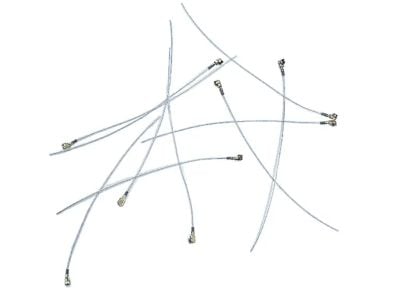
Understanding the Environmental Adaptability Test Standard for Outdoor Wireless Antennas is crucial for ensuring that these devices perform optimally in various weather conditions. This article will delve into the key aspects of environmental adaptability tests, quality control measures, and installation guidance for outdoor wireless antennas, all while addressing common buyer concerns such as reliability, performance, and sourcing. By the end of this article, you will have a clearer understanding of what to look for in outdoor antennas and how to select the right provider.
Comparing Environmental Adaptability in Wireless Antenna Products
Environmental adaptability in wireless antennas refers to their ability to withstand various external conditions such as temperature fluctuations, humidity, wind pressure, and exposure to UV radiation. The Environmental Adaptability Test Standard typically includes assessments for these factors to ensure that antennas can function effectively in outdoor settings.
For instance, antennas designed for extreme temperatures should undergo thermal cycling tests to evaluate their performance under both high and low temperature extremes. Similarly, humidity tests assess how well an antenna can resist moisture ingress, which is crucial for preventing corrosion and maintaining signal integrity. Buyers should inquire about the specific environmental testing protocols that a manufacturer employs, as this can significantly impact the antenna's lifespan and performance reliability.
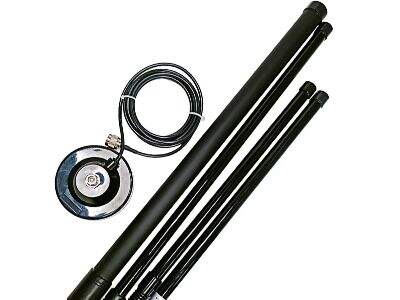
Quality Control Measures in Manufacturing Outdoor Wireless Antennas
At Signal Plus Technology Co., Ltd., stringent quality control measures are implemented throughout the manufacturing process to ensure that outdoor wireless antenna 5ghz meet high standards of reliability and performance. These measures include:
Material Selection: The choice of materials is critical in enhancing the durability of antennas. For example, using high-grade plastics and metals can improve resistance to UV rays and moisture.
Testing Protocols: Comprehensive testing, including environmental adaptability tests, is conducted on finished products. This ensures that every antenna can withstand rigorous outdoor conditions before it reaches the market.
Production Equipment: Advanced manufacturing equipment is used to maintain precise tolerances and consistent quality. This involves automation and robotic assembly for enhanced precision.
Patents and Certifications: Having a significant number of patents (65 in our case) reflects a commitment to innovation and adherence to industry standards, which is essential for building trust with buyers.
By emphasizing these quality control measures, buyers can ensure they are selecting antennas that are not only effective but also built to last in demanding environments.
Where to Wholesale Outdoor Wireless Antennas for Your Projects?
When looking to wholesale outdoor wireless antennas, it is essential to consider suppliers with a robust manufacturing background and a proven track record in the industry. Here are some steps to guide your sourcing process:
Research Manufacturers: Seek out manufacturers like Signal Plus Technology Co., Ltd., which specializes in high-quality RF components and has experience in producing various antenna types, including those for WIFI/BLUETOOTH and cellular applications.
Evaluate Product Offerings: Look for a supplier that provides a diverse range of antennas suitable for your specific projects, such as antennas for APs/routers or handheld devices.
Request Quotes: When requesting quotes, provide detailed specifications such as antenna type, model, size, and quantity. This will ensure accurate pricing and lead time estimates.
Check References: Verify the supplier's reputation by checking reviews and client testimonials. A reliable supplier should have a history of timely deliveries and quality products.
Establishing a relationship with a trustworthy supplier can significantly affect the success of your projects.
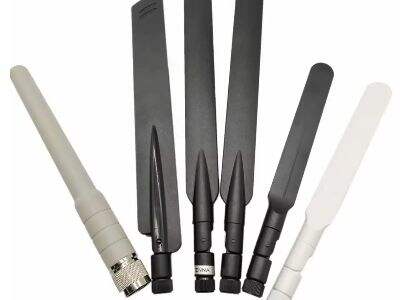
Installation Guidance for Outdoor Wireless Antennas in Various Scenarios
Proper installation is crucial for the performance of outdoor wireless antennas. Here are key considerations to ensure effective installation across different scenarios:
Site Assessment: Conduct a thorough site assessment to identify the best mounting locations. Factors such as elevation, line of sight, and potential obstacles should be considered to maximize signal coverage.
Mounting Techniques: Depending on the environment, various mounting techniques may be employed. For instance, poles or wall mounts may be suitable for urban areas, while more robust structures might be necessary for rural settings.
Environmental Considerations: Ensure that the installation method accounts for environmental factors. For example, in windy areas, secure mounting to prevent movement or damage over time.
Grounding and Lightning Protection: Proper grounding is essential to protect against electrical surges, especially in storm-prone areas. Implementing lightning protection measures can safeguard antennas from damage.
By taking these factors into account, buyers can enhance the performance and longevity of their outdoor wireless antenna 5ghz.
What to Look for in Outdoor Antenna Providers?
Selecting the right outdoor antenna provider involves assessing several critical factors that can impact your project's success. Here are key considerations to guide your decision-making:
Technical Expertise: Choose a provider with demonstrated expertise in antenna design and manufacturing. A knowledgeable team can assist in tailoring solutions to meet specific application requirements.
Customization Capabilities: Ensure the provider can accommodate custom specifications, whether it's for unique dimensions, materials, or performance characteristics required by your project.
Quality Assurance: Look for companies that implement rigorous quality control processes and have certifications that reflect their commitment to high standards.
Lead Times and Support: Discuss lead times for production and delivery, as well as the level of customer support available during the purchasing process. A provider that offers responsive support can help address any issues that may arise.
Experience and Reputation: Opt for a supplier with a solid reputation and experience in the industry. This can often be gauged through client testimonials and case studies that demonstrate successful project outcomes.
By thoroughly evaluating potential providers against these criteria, you can make a more informed decision and select an outdoor antenna supplier that aligns with your business needs.
Table of Contents
- Comparing Environmental Adaptability in Wireless Antenna Products
- Quality Control Measures in Manufacturing Outdoor Wireless Antennas
- Where to Wholesale Outdoor Wireless Antennas for Your Projects?
- Installation Guidance for Outdoor Wireless Antennas in Various Scenarios
- What to Look for in Outdoor Antenna Providers?
