
 EN
 ES
 PT
 NL
 AR
 HR
 CS
 DA
 FI
 FR
 DE
 EL
 IT
 JA
 KO
 NO
 PL
 RO
 RU
 SV
 TL
 IW
 ID
 LT
 SR
 SK
 SL
 UK
 VI
 ET
 HU
 MT
 TH
 TR
 FA
 GA
 BE
 IS
 LB
 BG


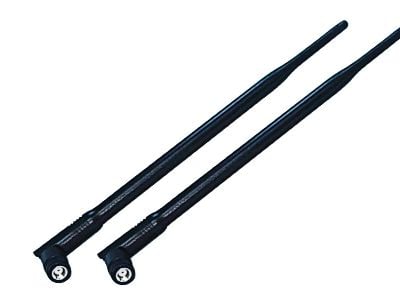
Industrial WiFi antennas play a crucial role in enhancing wireless coverage and minimizing signal loss for Internet of Things (IoT) terminals. As industries increasingly rely on connected devices, ensuring reliable communication is essential. This article addresses key concerns for B2B buyers, including performance metrics, installation guidelines, cost factors, common issues, and material advantages, providing the practical knowledge needed to make informed purchasing decisions.
How to Compare Industrial WiFi Antennas for Optimal Performance?
When evaluating industrial WiFi antennas, several performance metrics should be considered. Key specifications include gain, frequency range, and radiation patterns. Gain, measured in decibels (dBi), indicates the antenna's ability to focus energy in a specific direction. A higher gain typically results in a more focused signal, making it crucial for long-range applications. Additionally, understanding the frequency range is vital. Industrial WiFi antennas may operate across various bands, including 2.4 GHz and 5 GHz. A suitable antenna should match the network's operating frequency to ensure optimal performance. Radiation patterns also affect coverage; omnidirectional directional wifi antenna provide 360-degree coverage, while directional antennas focus the signal in a specific direction, catering to different application needs. Buyers should also consider environmental factors such as temperature and humidity, which can impact performance. Ensuring that the selected antenna can withstand the specific conditions of its intended installation site is crucial for maintaining performance and longevity.
Installation Guidance for Industrial WiFi Antennas in IoT Applications
Proper installation of industrial WiFi antennas is essential for achieving optimal performance. First, assess the installation environment to determine the best mounting location. Elevation is critical; antennas should be placed at a height that minimizes obstructions from walls or other structures. When installing the antenna, ensure that it is securely mounted and properly aligned. Misalignment can lead to significant signal loss. It’s also important to consider cable length and quality; using high-quality coaxial cables minimizes signal degradation between the exterior wifi antenna and the router or access point. Lastly, perform a post-installation survey to verify signal strength and coverage. Utilizing tools such as WiFi analyzers can help identify any dead zones or areas of weak signal, allowing for adjustments to be made promptly.
Cost Factors When Purchasing Industrial WiFi Antennas in Bulk
Cost considerations are crucial when purchasing industrial WiFi antennas in bulk. The price can vary significantly based on several factors, including the type of antenna, materials used, and manufacturing processes. High-performance antennas may come at a premium, but it’s essential to balance cost with performance to avoid future issues. Customization also plays a role in pricing. Buyers looking for external wifi antenna tailored to specific applications or environments may incur additional costs. Moreover, purchasing in bulk can often lead to discounts, but it’s important to confirm the minimum order quantity (MOQ) with suppliers. When requesting quotes, provide detailed specifications, including required gain, frequency, and environmental considerations, to ensure accurate pricing and avoid unexpected costs.
Common Problems with Industrial WiFi Antennas and Their Solutions
Several common issues can arise with industrial WiFi antennas, which, if not addressed, can lead to performance degradation. One frequent problem is interference from other electronic devices. Conducting a site survey before installation can help identify potential sources of interference, allowing for proactive measures to mitigate these effects. Another issue is improper alignment or installation. As previously mentioned, ensuring the antenna is correctly positioned can drastically improve signal strength. If problems persist, consider consulting with a technical expert who can provide insights based on specific site conditions. Additionally, buyers should be aware of environmental factors that can affect antenna performance. Regular maintenance, including inspections for physical damage or corrosion, is essential for ensuring long-term functionality. Should any physical damage be found, immediate replacement may be necessary to maintain network performance.
Advantages of Material Choices in Industrial WiFi Antennas Design
Material selection is a critical factor in the design of industrial WiFi antennas, impacting both performance and durability. Common materials include plastics, metals, and composites, each offering distinct advantages. For example, metal antennas typically provide better signal transmission due to their conductivity, but they may also be heavier and more susceptible to corrosion. On the other hand, plastic materials are lighter and can offer resistance to environmental factors, making them suitable for outdoor applications. However, they may not provide the same level of signal performance as metal options. When evaluating material choices, consider the anticipated operating environment. Antennas exposed to harsh conditions, such as high humidity or extreme temperatures, may benefit from materials designed for resilience. Additionally, understanding how the material's characteristics affect performance such as its dielectric properties can guide buyers in selecting the most suitable antenna for their needs. In summary, industrial WiFi antennas are essential for enhancing wireless communication, particularly in IoT applications. By comparing performance specifications, ensuring proper installation, considering cost factors, addressing common issues, and understanding material advantages, buyers can make informed decisions that align with their operational requirements.
Table of Contents
- How to Compare Industrial WiFi Antennas for Optimal Performance?
- Installation Guidance for Industrial WiFi Antennas in IoT Applications
- Cost Factors When Purchasing Industrial WiFi Antennas in Bulk
- Common Problems with Industrial WiFi Antennas and Their Solutions
- Advantages of Material Choices in Industrial WiFi Antennas Design
