
 EN
EN
 ES
ES
 PT
PT
 NL
NL
 AR
AR
 HR
HR
 CS
CS
 DA
DA
 FI
FI
 FR
FR
 DE
DE
 EL
EL
 IT
IT
 JA
JA
 KO
KO
 NO
NO
 PL
PL
 RO
RO
 RU
RU
 SV
SV
 TL
TL
 IW
IW
 ID
ID
 LT
LT
 SR
SR
 SK
SK
 SL
SL
 UK
UK
 VI
VI
 ET
ET
 HU
HU
 MT
MT
 TH
TH
 TR
TR
 FA
FA
 GA
GA
 BE
BE
 IS
IS
 LB
LB
 BG
BG

/images/share.png)
Signal has a great reputation for creating high-quality technology solutions for many industries. One of the exciting areas we focus on is autonomous vehicles. These vehicles are designed to drive themselves, and they rely on many different technologies to do this safely and accurately. One important piece of technology is the GPS GNSS antenna. This antenna helps the vehicle know where it is located at all times. By integrating a GPS GNSS antenna into autonomous vehicle kits, we can make these vehicles smarter and more reliable. This article will talk about the benefits of using GPS GNSS antennas in these vehicles and some common problems we might face during the integration process
What Are the Benefits of Integrating GPS GNSS Antennas into Autonomous Vehicle Kits
Integrating a GPS Antenna into autonomous vehicle kits offers many advantages. First, these antennas provide precise location data, which is crucial for navigation. When the vehicle knows its exact position, it can follow routes accurately. This helps prevent accidents and allows the vehicle to make better decisions on the road. Imagine if a car could always find the fastest way to a destination without getting stuck in traffic; that's what GPS can do! Additionally, GPS GNSS antennas can help vehicles communicate with each other, which is called vehicle-to-vehicle communication. This means that if one car sees danger ahead, it can warn others, making the roads safer for everyone. Another benefit is that GPS data can improve mapping services. When autonomous vehicles collect location information, this data can be used to create more detailed and up-to-date maps, which benefits all drivers, not just autonomous ones. Lastly, using GPS GNSS antennas can help improve fuel efficiency. When vehicles know their location and direction better, they can optimize their routes and reduce fuel consumption. This is good for the environment and can save money for vehicle owners. All these benefits show why integrating GPS GNSS antennas into autonomous vehicle kits is essential for the future of transportation
What Common Issues Arise When Integrating GPS GNSS Antennas in Autonomous Vehicles
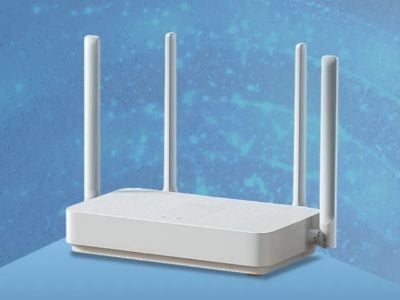
While integrating 2/3/4/5G Antenna into autonomous vehicles has many benefits, there are also some challenges. One common issue is signal interference. Sometimes, tall buildings, bridges, or trees can block the GPS signals. This makes it hard for the vehicle to know where it is, which can lead to mistakes. For example, if a car thinks it is on one road but is actually on another, it might make the wrong turn. Another problem can be the weather. Heavy rain or snow can also weaken GPS signals, making them less reliable. This is why engineers at Signal work hard to design antennas that can perform well even in tough conditions. Another challenge is the installation process. The antennas must be placed correctly to work effectively. If they are not installed in the right spot, they may not receive signals well. This is why we provide detailed instructions and support for our customers to ensure everything is set up properly. Lastly, there is the issue of cost. High-quality GPS GNSS antennas can be expensive, and some companies may hesitate to invest in them. However, the benefits of using these antennas often outweigh the costs in the long run. By addressing these challenges, we at Signal continue to improve our products and support our customers in creating safe and efficient autonomous vehicles
How GPS GNSS Antennas Enhance Navigation Accuracy in Autonomous Vehicle Kits
GPS GNSS Lora IoT Antenna are very important for self-driving cars, also known as autonomous vehicles. These antennas help the cars know exactly where they are and how to get to where they want to go. GNSS stands for Global Navigation Satellite System, and it uses signals from satellites high above the Earth. When a self-driving car has a good GNSS antenna, it can receive these signals better. This means the car can find its position with great accuracy. Imagine you are lost in a big city. If you have a good map and a working GPS, you can find your way easily. The same goes for autonomous vehicles. They need to know their position on the road accurately to avoid obstacles and make safe turns. If the GPS GNSS antenna is strong, the car can find out its location within a few centimeters. This is super important because if a car makes a mistake in its location, it could end up in the wrong lane or even run into something. Signal, our company, makes sure that our GNSS antennas are designed to work really well in all conditions. Whether it’s raining, snowing, or even when there are tall buildings around, our antennas are built to keep getting strong signals. This helps the car navigate smoothly and safely. The better the GPS GNSS antenna, the better the car can drive on its own. So when you think about autonomous vehicles, remember that the GPS GNSS antenna is like their eyes, helping them see where to go
What Features Make GPS GNSS Antennas Ideal for Autonomous Vehicle Kits
When choosing a GPS GNSS antenna for autonomous vehicle kits, certain features are very important. First, the antenna must be very sensitive. This means it can pick up weak signals from satellites. If the antenna is not sensitive enough, the car might not know its position correctly. GNSS antennas are designed to be very sensitive, which helps them receive signals even in difficult conditions. Another feature to look for is durability. Autonomous vehicles often face tough weather, like heavy rain or intense heat. The GPS GNSS antenna must be able to withstand these conditions without breaking or losing signal. Signal’s antennas are made from strong materials that can handle different weather situations, ensuring they keep working no matter what. Size is also important. The antenna should be compact so it does not take up too much space in the car. If it’s too big, it could get in the way of other important parts of the vehicle. Signal’s antennas are designed to be small but powerful, making them a perfect fit for autonomous vehicle kits. Lastly, the GPS GNSS antenna needs to be easy to install. If it’s too complicated to set up, it can slow down the building of the autonomous vehicle. Signal’s antennas come with clear instructions, making it easy for anyone to install them in their vehicle. Overall, the right GPS GNSS antenna will make a big difference in how well an autonomous vehicle can navigate and drive safely
How to Troubleshoot Common Problems with GPS GNSS Antennas in Vehicles
Sometimes, GPS GNSS antennas can have issues that affect their performance. It’s important to know how to troubleshoot these problems. The first step is to check the connection. If the antenna is not connected properly to the vehicle, it won’t work correctly. Always make sure the cables are secure and not damaged. Signal provides clear instructions on how to connect their antennas, so following those steps can help avoid connection problems. Another common issue is signal loss. If the car is in a place with tall buildings or trees, the antenna might struggle to get a good signal. In this case, try moving the vehicle to a more open area where the sky is visible. This can help the antenna get a stronger signal from the satellites. If the problem continues, check if the antenna is clean and free from dirt or debris. Sometimes, a simple cleaning can improve the signal. Sometimes, the settings in the car’s navigation system can also cause problems. Ensure that the software is up to date and that the GPS settings are correct. If the software is outdated, it might not work well with the GPS GNSS antenna. Signal recommends regularly checking for updates to keep the navigation system working smoothly. If all else fails, it might be helpful to contact customer support. Signal has a team ready to help troubleshoot any issues with their antennas. They can provide tips and solutions to get the antenna working again. By knowing how to troubleshoot these common problems, users can ensure their GPS GNSS antennas work well and keep their autonomous vehicles running safely.
Table of Contents
- What Are the Benefits of Integrating GPS GNSS Antennas into Autonomous Vehicle Kits
- What Common Issues Arise When Integrating GPS GNSS Antennas in Autonomous Vehicles
- How GPS GNSS Antennas Enhance Navigation Accuracy in Autonomous Vehicle Kits
- What Features Make GPS GNSS Antennas Ideal for Autonomous Vehicle Kits
- How to Troubleshoot Common Problems with GPS GNSS Antennas in Vehicles
