
 EN
EN
 ES
ES
 PT
PT
 NL
NL
 AR
AR
 HR
HR
 CS
CS
 DA
DA
 FI
FI
 FR
FR
 DE
DE
 EL
EL
 IT
IT
 JA
JA
 KO
KO
 NO
NO
 PL
PL
 RO
RO
 RU
RU
 SV
SV
 TL
TL
 IW
IW
 ID
ID
 LT
LT
 SR
SR
 SK
SK
 SL
SL
 UK
UK
 VI
VI
 ET
ET
 HU
HU
 MT
MT
 TH
TH
 TR
TR
 FA
FA
 GA
GA
 BE
BE
 IS
IS
 LB
LB
 BG
BG

/images/share.png)
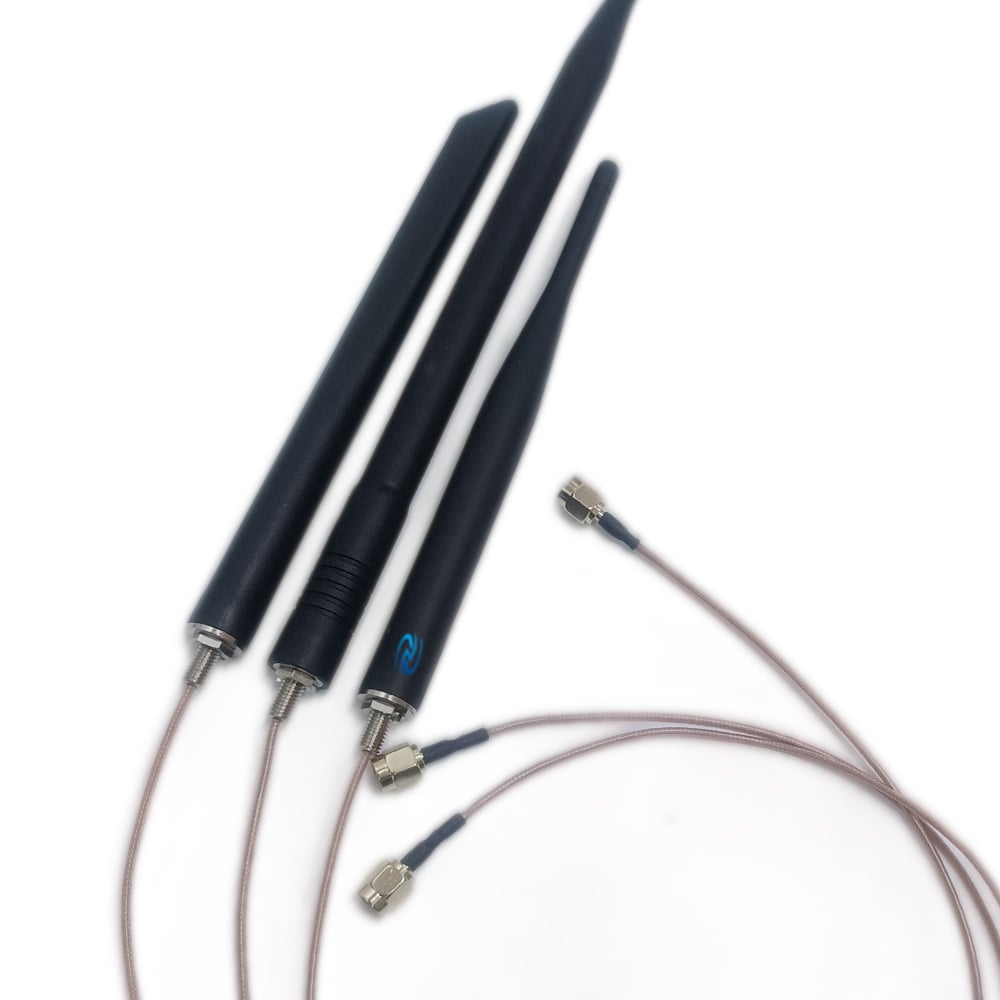
Active FPC WiFi antennas are essential components in small-sized wireless modules, providing reliable connectivity for various applications. As a B2B buyer, understanding the unique advantages of these antennas can significantly influence your purchasing decisions. This article delves into why you should choose Active FPC WiFi antennas for your small devices, addressing critical specifications, quality evaluations, installation tips, cost considerations, and material advantages. By equipping yourself with this knowledge, you can make informed choices that enhance the performance and reliability of your wireless solutions.
Key Specifications of Active FPC WiFi Antennas You Should Know
When selecting Active FPC WiFi antennas, certain specifications are crucial for ensuring optimal performance. These antennas typically feature a compact form factor, making them ideal for small-sized wireless modules. Key specifications to consider include:
Frequency Range: Most Active FPC WiFi antenna operate within the 2.4 GHz and 5 GHz frequency bands. Ensure the antenna covers the required range for your application to avoid connectivity issues.
Gain: Antenna gain, measured in dBi, indicates the directionality and efficiency of the antenna. Higher gain antennas typically provide better performance over longer distances, while lower gain antennas are suitable for short-range applications.
Impedance: Standard impedance for these antennas is usually 50 ohms. Ensuring compatibility with your module's impedance is vital to minimize signal loss and enhance performance.
Size and Weight: The compact design of FPC antennas allows for integration into small devices without adding significant weight, a key factor for portable applications.
Understanding these specifications will help you choose the right Active FPC WiFi antenna that meets your device's requirements.
Evaluating the Quality of Active FPC WiFi Antennas for Purchase
Quality is paramount when selecting Active FPC WiFi antennas, as it directly impacts performance and reliability. Here are some essential factors to consider during your evaluation:
Manufacturing Standards: Ensure the supplier adheres to recognized manufacturing standards and quality control processes. Companies with ISO certifications often have robust quality assurance measures in place.
Testing Procedures: Inquire about the testing procedures for antennas, including environmental testing (temperature, humidity, and vibration) and performance testing (bandwidth and gain measurements). Reliable manufacturers conduct rigorous testing to ensure their antennas meet performance specifications.
Patents and Innovations: Manufacturers with a strong portfolio of patents, like Signal Plus Technology Co., Ltd., often indicate advanced engineering capabilities and a commitment to innovation. This can lead to superior product quality and performance enhancements.
Customer Reviews and Feedback: Researching customer experiences can provide insights into the real-world performance of the antennas. Look for reviews that specifically mention reliability, ease of installation, and overall satisfaction.
By carefully evaluating these aspects, you can select high-quality Active FPC WiFi antennas that align with your performance expectations and application needs.
Installation Tips for Active FPC WiFi Antennas in Small Devices
Proper installation of Active antenna FPC is crucial for maximizing their performance. Here are some practical tips to consider:
Mounting Location: Position the antenna in an area that minimizes interference from metal objects and other electronic components. Ideally, the antenna should have a clear line of sight to the intended communication area.
Orientation: Pay attention to the antenna's orientation during installation. For optimal signal strength, align the antenna perpendicular to the direction of the intended signal path.
Connection Quality: Ensure that the connectors are securely attached and that there is no damage to the cable or connectors. Poor connections can lead to signal loss and reduced performance.
Environmental Considerations: If the device will be used in harsh environments, consider using protective enclosures or coatings to shield the antenna from moisture, dust, and other contaminants.
Following these installation tips will help ensure that your Active FPC WiFi antennas perform at their best, providing reliable connectivity in your small devices.
Cost Factors to Consider When Buying Active FPC WiFi Antennas
Understanding the cost factors associated with Active FPC WiFi antennas is essential for budgeting and procurement. Here are some key considerations:
Volume Discounts: Many manufacturers offer tiered pricing based on order quantities. If you require a large number of antennas, inquire about bulk pricing to optimize your budget.
Customization Needs: Customization options, such as specific frequencies or tailored dimensions, can increase costs. Be clear about your requirements to receive accurate quotes.
Logistics and Shipping: Factor in shipping costs and lead times. Depending on your location and the supplier's capabilities, shipping costs can vary significantly. Additionally, ensure that the supplier can meet your delivery timelines.
Warranty and Support: Consider the warranty and support services provided by the manufacturer. A longer warranty period may indicate confidence in product quality, and responsive customer support can save time and costs in troubleshooting issues.
By understanding these cost factors, you can better navigate the purchasing process and make decisions that align with your budget and project timelines.
Understanding Material Advantages of Active FPC WiFi Antennas
The materials used in Active wireless WiFi antenna play a significant role in their performance and durability. Here’s what you should know:
Flexibility and Durability: Flexible printed circuit (FPC) antennas are made from materials that allow bending and shaping without compromising performance. This flexibility is advantageous for integration into compact designs.
Environmental Resistance: High-quality FPC antennas can be made from materials resistant to moisture, heat, and chemicals, making them suitable for various applications, including those in harsh environments.
Weight Considerations: The lightweight nature of FPC antennas reduces the overall weight of devices, which is crucial for portable applications where weight is a limiting factor.
Signal Integrity: The choice of materials also affects the antenna's ability to maintain signal integrity over time. Select antennas made from high-quality substrates to ensure longevity and stable performance.
Understanding the material advantages of Active FPC WiFi antennas can help you make informed decisions that meet the specific requirements of your applications.
Table of Contents
- Key Specifications of Active FPC WiFi Antennas You Should Know
- Evaluating the Quality of Active FPC WiFi Antennas for Purchase
- Installation Tips for Active FPC WiFi Antennas in Small Devices
- Cost Factors to Consider When Buying Active FPC WiFi Antennas
- Understanding Material Advantages of Active FPC WiFi Antennas
