
 EN
EN
 ES
ES
 PT
PT
 NL
NL
 AR
AR
 HR
HR
 CS
CS
 DA
DA
 FI
FI
 FR
FR
 DE
DE
 EL
EL
 IT
IT
 JA
JA
 KO
KO
 NO
NO
 PL
PL
 RO
RO
 RU
RU
 SV
SV
 TL
TL
 IW
IW
 ID
ID
 LT
LT
 SR
SR
 SK
SK
 SL
SL
 UK
UK
 VI
VI
 ET
ET
 HU
HU
 MT
MT
 TH
TH
 TR
TR
 FA
FA
 GA
GA
 BE
BE
 IS
IS
 LB
LB
 BG
BG

/images/share.png)
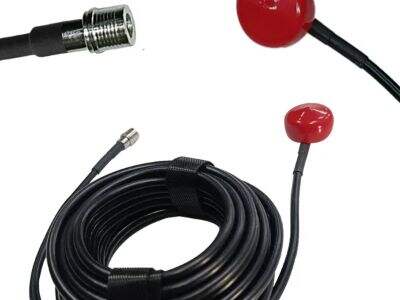
WiFi antennas is important for connecting our devices to the internet. They help us stay connected when we watch videos, play games, or do online schoolwork. In todays networks, WiFi antennas use different bands. These bands are like special channels that sends and receives data. The two main bands are 2.4 GHz and 5 GHz. Each one have its own strengths and weaknesses. To understand these Signal directional wifi antenna is key for a good internet experience.
What WiFi Antenna Bands Are Essential for Modern Networks?
The 2.4 GHz band is the first one we talk about. This band is good because it covers larger areas. If you have a big house or want to connect from the backyard, 2.4 GHz often better choice. It can go through walls better than 5 GHz. However, it get crowded. Many devices like microwaves and Bluetooth also use this band. So if lots of people using 2.4 GHz, the internet will slow down. On the other side, the 5 GHz band is faster. That means you can download things quick and play games without lag. But it doesn't go as far as 2.4 GHz. If you sit far from the router, you might see weaker signal. And many modern routers can use both bands together. This dual-band feature let you pick the best one for what you doing. For streaming videos, 5 GHz GPS Antenna is great. But for browsing web or checking emails, 2.4 GHz works fine.
How to Choose the Right Band for Wholesale WiFi Antennas?
When picking the right band for wholesale WiFi antennas, its important to think about your needs. For large areas like schools or offices, antennas that support both bands usually the best. This way, users can connect to the band that works best for them. Another thing is the number of devices. If there are many devices on WiFi, the 2.4 GHz might get too crowded. In that case, using 5 GHz or a dual-band antenna can help keep internet fast. Signal offers various antennas for different settings, so look at what fits your needs.
Lastly, think about the environment. If antennas used in places with lots of walls, a good option is ones that work well with 2.4 GHz band. But for open spaces with clear sight, antennas supporting 5 GHz will give best speed. Understanding this helps you choose right antennas. This ensure everyone stays connected without delays or weak signals.
WiFi is the tech that let us connect to internet without wires.
To do this, WiFi uses different bands. These bands like different lanes on a highway. Just as some lanes faster or busier, different bands can affect how your WiFi works. The most common bands in modern WiFi are 2.4 GHz and 5 GHz. The 2.4 GHz band like a big wide lane that carry many cars. It good at traveling long distances and through walls, but it can get crowded because many devices use it. The 5 GHz band like a fast lane that carry fewer cars but goes quick. It less crowded and offers faster speeds, but doesn't travel far and hard time through walls. When you choose WiFi antenna, think about these bands. If you have lots devices in one area, like busy family, you might want 5 GHz for faster speeds. But if need connect far from router, 2.4 GHz is better. At Signal, we know how important right band to make internet smooth.
Bands can greatly impact your networks reliability and speed.
Reliability means how well WiFi works all time. If you use a crowded band like 2.4 GHz, you might notice slow speeds or dropped connections. This can be frustrating, especially for watching videos or playing games. On the other hand, using 5 GHz can help avoid problems, but you may need to be closer to router. Its like walkie-talkie; if too far, you can't hear well. The distance and obstacles affect connection. At Signal, we want your WiFi strong as possible. By choosing right band, you can improve speed and reliability. This way, enjoy smooth online without interruptions. For example, streaming movie, you want reliable connection so it don't freeze.
When it comes to WiFi antennas, you hear about single-band and dual-band options. A single-band antenna only uses one band, while dual-band can use both 2.4 GHz and 5 GHz. There advantages to each. Single-band antennas usually cheaper and easier to set up. They good for small homes where not many devices. However, if you have lots devices or need faster connection, dual-band often better. With dual-band, you connect to 2.4 GHz for distance and 5 GHz for speed. This means best of both! At Signal, we recommend dual-band for most households. They let multiple devices connect same time without slowing. This useful if family using internet together. Overall, right antenna type make big difference in WiFi performance, and we at Signal's here to help you the find best WiFi Antenna.
