
 EN
EN
 ES
ES
 PT
PT
 NL
NL
 AR
AR
 HR
HR
 CS
CS
 DA
DA
 FI
FI
 FR
FR
 DE
DE
 EL
EL
 IT
IT
 JA
JA
 KO
KO
 NO
NO
 PL
PL
 RO
RO
 RU
RU
 SV
SV
 TL
TL
 IW
IW
 ID
ID
 LT
LT
 SR
SR
 SK
SK
 SL
SL
 UK
UK
 VI
VI
 ET
ET
 HU
HU
 MT
MT
 TH
TH
 TR
TR
 FA
FA
 GA
GA
 BE
BE
 IS
IS
 LB
LB
 BG
BG

/images/share.png)
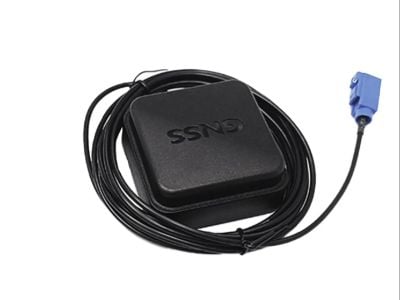
High-precision mapping is very important for many tasks, like building roads, creating maps, and even helping with farming. To do this well, it is crucial to have good tools. One of the most important tools is a multi-band GNSS antenna from Signal. GNSS stands for Global Navigation Satellite System. This system uses satellites to help find exact locations on Earth. A high-quality GNSS antenna makes sure that the mapping is accurate. Without a good antenna, the mapping can be wrong, leading to mistakes in many projects. So, if you want to get the best results in mapping, using a quality GNSS antenna is a must
What Makes a GNSS Antenna Essential for Accurate Mapping
A GNSS antenna is like the ears of a mapping device. It listens to signals from satellites above the Earth. These signals tell the device where it is located. If the antenna is not good, the signals might not be clear. This means the location data can be incorrect. For example, if someone is using a low-quality antenna, they might think they are standing in one place when they are actually a little off. This small error can cause big problems in mapping. When mapping a city, even a tiny mistake can lead to buildings or roads being placed incorrectly. This is why having a high-quality GNSS antenna from Signal is so important. It helps to catch these signals clearly and accurately, making sure the mapping is right. The better the antenna, the more accurate the location. This ensures that all the details in the map are correct. It’s like trying to read a book in a noisy room. If the noise is too loud, you can’t focus on the words. But if it’s quiet, you can read easily. Similarly, a good GNSS antenna helps focus on the right signals from satellites, leading to precise mapping
How to Choose the Best GNSS Antenna for High-Precision Applications
Choosing the right GNSS antenna from Signal can feel overwhelming because there are many options. First, think about what you need the antenna for. Do you need it for mapping a small area or a large one? If you are mapping something big, you should look for antennas that can receive signals from many satellites at once. This can help get better accuracy. Next, consider the environment where you will use the antenna. If you are working in a place with a lot of tall buildings or trees, you need an antenna that can work well in those conditions. Some antennas are better at picking up signals in tough environments, while others might struggle. Also, think about the budget. While it's tempting to choose the cheapest option, remember that a high-quality active GNSS antenna can save you money in the long run by providing more accurate results. Look for reviews or ask experts about which antennas work best for your needs. Don’t rush the decision; take your time to ensure you choose the right one. Lastly, make sure to check if the antenna is compatible with your current equipment. It would be sad to buy a great antenna only to find out it can’t connect to your devices. By keeping these things in mind, you can find a GNSS antenna that fits your needs and helps create high-precision maps
How High-Precision Mapping Can Benefit from Advanced GNSS Technology
High-precision mapping is a very important task that helps us understand our world better. This process is used in many areas like construction, agriculture, and environmental studies. To create accurate maps, we need advanced technology, especially GNSS, which stands for Global Navigation Satellite System. GNSS uses satellites orbiting the Earth to send signals to receivers on the ground. These signals help determine exact locations. When we have high-precision maps, it means we know where things are with great accuracy. This is crucial for builders who need to know exactly where to place a new road or a building. If the mapping isn’t precise, it can lead to mistakes that can cost a lot of money and time. Advanced GNSS technology can make these maps even better. It gives us more signals and can correct errors that might happen due to buildings, trees, or even weather. With this technology, we can also gather data quickly and efficiently, which is very helpful when we need to make decisions fast. For example, farmers can use these maps to know where to plant their crops for the best yield. They can also use them to manage their resources better, like water and fertilizer. The more precise the mapping, the better the results. That's why using advanced GNSS technology in high-precision mapping is so beneficial. At Signal, we focus on providing the best GNSS solutions to help make mapping as accurate as possible
Why Investing in Quality GNSS Antennas is Crucial for Mapping Success
Investing in quality GNSS antennas is very important for anyone who is serious about mapping. These antennas are like the ears of the GNSS system; they listen for signals from satellites. If the antennas are not good, they might miss signals or pick up wrong ones. This can lead to inaccurate maps, which can cause many problems. For example, if a construction company uses bad antennas, they might end up building in the wrong place. This mistake can result in wasted time, money, and resources. On the other hand, high-quality GNSS antennas help ensure that we get clear and strong signals. This leads to accurate data, which is the foundation of good mapping. Quality antennas can also work in challenging conditions, like in cities with tall buildings or in forests where trees block signals. They are designed to filter out noise and focus on the important signals from satellites. This means that even in tough environments, we can still get accurate results. At Signal, we believe that investing in quality GNSS antennas is not just an option; it’s a necessity for achieving mapping success. When we use the best tools, we can trust the data we collect, and that leads to better decisions and outcomes
What Are the Key Features to Look for in GNSS Antennas for Mapping
When choosing GNSS antennas for mapping, there are several key features to consider to ensure you get the best performance. First, look for antennas that have multi-frequency capabilities. This means they can receive signals from different frequencies, which helps improve accuracy. Multi-frequency antennas can reduce errors caused by atmospheric conditions. Next, check for the antenna's gain. Higher-gain antennas can pick up weaker signals better, which is especially helpful in areas with lots of interference. Another important feature is the antenna's design. Some antennas are made to be rugged and can withstand harsh weather conditions. If the antenna can handle rain, snow, and wind, it will last longer and perform better in different environments. Additionally, consider the antenna's size and weight. If you are working in the field, you might want something lightweight and easy to carry. Finally, don’t forget about the price. While it’s important to invest in quality, you should also find something that fits your budget. At Signal, we focus on creating GNSS antennas with all these features to help you achieve the best mapping results. By understanding these key features, you can make an informed choice and ensure your mapping projects are successful.
Table of Contents
- What Makes a GNSS Antenna Essential for Accurate Mapping
- How to Choose the Best GNSS Antenna for High-Precision Applications
- How High-Precision Mapping Can Benefit from Advanced GNSS Technology
- Why Investing in Quality GNSS Antennas is Crucial for Mapping Success
- What Are the Key Features to Look for in GNSS Antennas for Mapping
