
 EN
 ES
 PT
 NL
 AR
 HR
 CS
 DA
 FI
 FR
 DE
 EL
 IT
 JA
 KO
 NO
 PL
 RO
 RU
 SV
 TL
 IW
 ID
 LT
 SR
 SK
 SL
 UK
 VI
 ET
 HU
 MT
 TH
 TR
 FA
 GA
 BE
 IS
 LB
 BG


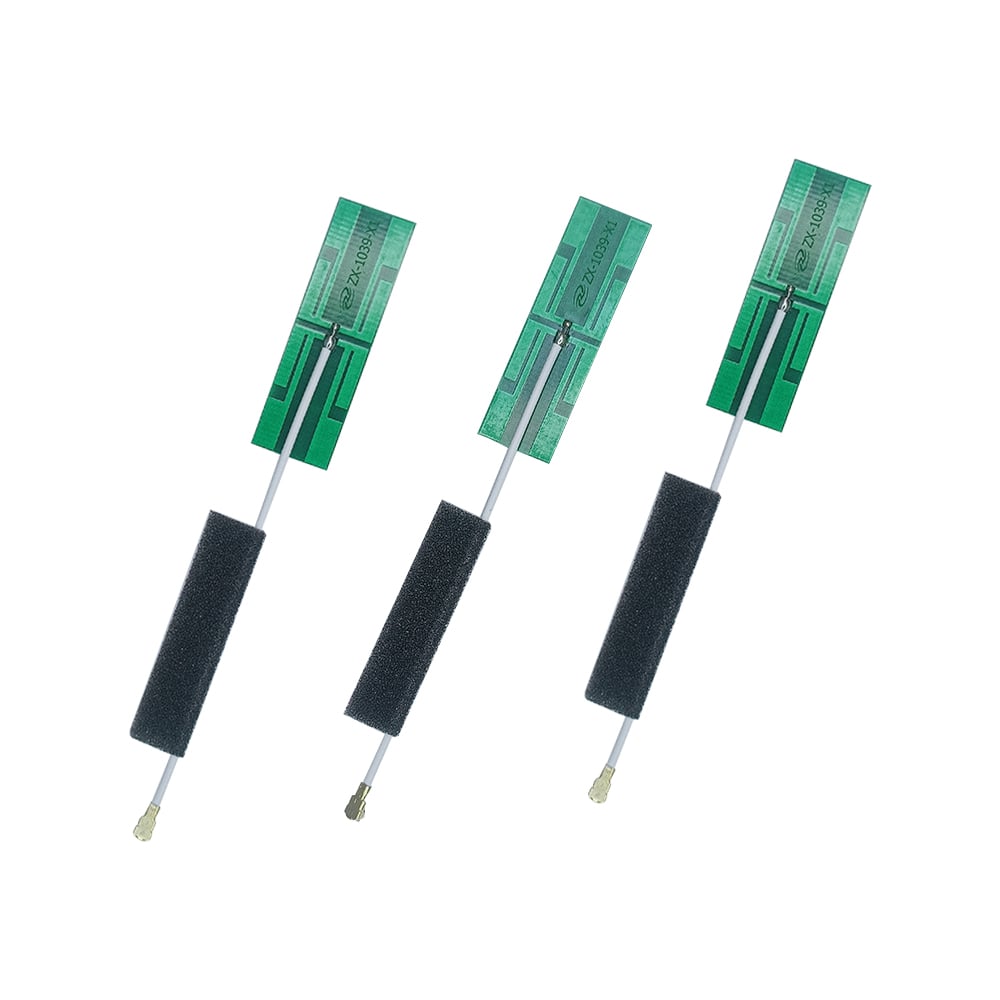
In the realm of smart factory systems, maintaining a reliable and stable wireless signal is paramount for operational efficiency. Understanding how WiFi antennas improve wireless signal stability is crucial for manufacturers seeking to optimize their production processes. This article addresses the key concerns of B2B buyers such as selection criteria, cost factors, and sourcing options providing a comprehensive guide to selecting the right WiFi antennas for smart factory environments.
Key Specifications to Consider When Choosing WiFi Antennas
When selecting WiFi antenna for your smart factory, several key specifications must be evaluated to ensure optimal performance.
Frequency Range: Most smart factory systems utilize 2.4 GHz and 5 GHz frequency bands. Understanding the operational environment and device compatibility is essential for choosing an antenna that can effectively transmit and receive signals across these frequencies.
Gain: Measured in dBi (decibels relative to isotropic radiator), gain indicates the antenna's ability to focus energy in a particular direction. Higher gain antennas can extend the range and improve signal stability, but they may also narrow the coverage area. For smart factories, it's crucial to balance gain with coverage needs.
Polarization: This refers to the orientation of the radio waves emitted by the antenna. Common polarizations include vertical, horizontal, and circular. The choice of polarization can affect signal quality depending on the layout of the factory and the orientation of devices.
Connector Type: Ensuring compatibility with existing equipment is important. Common connector types include SMA, N-Type, and RP-TNC. Buyers should confirm the connector type before finalizing their selection.
Durability and Environmental Resistance: Antennas used in smart factories may be exposed to various environmental conditions. Choosing antennas with appropriate IP ratings for dust and moisture resistance can significantly enhance longevity and performance.
By considering these specifications, buyers can make informed decisions that align with their specific operational requirements.
Wholesale Options for High-Quality WiFi Antennas and RF Components
For businesses looking to procure WiFi antennas in bulk, exploring wholesale options can lead to significant cost savings and better supply chain management. Signal Plus Technology Co., Ltd. offers a range of high-quality wireless WiFi antenna and RF components with capabilities to customize orders based on client specifications.
When considering wholesale options, buyers should look for:
Minimum Order Quantities (MOQ): Understanding the MOQ from suppliers helps in budgeting and inventory planning.
Customization Capabilities: Suppliers that offer customization can tailor antennas to meet specific operational requirements, such as unique dimensions or performance characteristics.
Quality Control Processes: Ensure that the manufacturer employs strict quality control measures to minimize defects and ensure reliability across production batches.
Lead Times: Confirming lead times for production and delivery is vital for planning and ensuring that projects stay on schedule.
By leveraging wholesale opportunities, businesses can secure reliable antennas while optimizing costs.
Comparing WiFi Antenna Solutions for Smart Manufacturing Systems
The right WiFi antenna solution can significantly enhance wireless signal stability in smart manufacturing systems. When comparing different solutions, consider these factors:
Application Suitability: Different antennas serve various applications. For instance, omnidirectional antennas are ideal for environments where devices are spread out, while directional antennas are better suited for point-to-point connections.
Performance Metrics: Evaluate antennas based on throughput capabilities and latency performance. Antennas with higher throughput can support more devices simultaneously, crucial in a busy manufacturing environment.
Compatibility with Existing Systems: Ensure that the selected antennas are compatible with existing network infrastructure, including routers and access points.
Installation Requirements: Assess the ease of installation, including mounting options and the need for additional hardware. A complex installation may lead to increased downtime.
Cost vs. Performance: While it may be tempting to opt for the lowest-priced option, consider the total cost of ownership, including potential maintenance and replacement costs. Investing in higher-quality antennas can yield better performance and lower long-term expenses.
By carefully comparing these factors, businesses can identify the most suitable antenna solutions for their smart factory systems.
Understanding the Cost Factors of WiFi Antenna Installation
The cost of installing high gain directional WiFi antenna in a smart factory can vary widely based on several factors:
Type of Antenna: Different antennas come with varying price points based on their specifications and quality. Directional antennas, for example, may cost more than omnidirectional options due to their complex design and performance capabilities.
Installation Complexity: The complexity of the installation process can significantly influence overall costs. Factors such as location, required tools, and the need for professional installation services should be considered.
Infrastructure Upgrades: If existing infrastructure, such as routers and cabling, requires upgrades to support new antennas, those costs must be factored into the overall budget.
Maintenance and Support: Maintenance costs can accrue over time, particularly if the installed antennas are in high-use areas. Consider the warranty and support options offered by the supplier to mitigate future expenses.
Volume Discounts: Purchasing antennas in bulk can lead to significant cost reductions. Buyers should inquire about discounts available for larger orders.
Understanding these cost factors will enable buyers to budget effectively and make informed purchasing decisions.
Where to Source Reliable WiFi Antennas for Your Projects
Sourcing reliable WiFi antennas requires careful consideration of suppliers. Here are some tips for finding trustworthy sources:
Manufacturer Reputation: Look for manufacturers with a proven track record in the industry. Companies like Signal Plus Technology Co., Ltd., with extensive production capabilities and a strong patent portfolio, are often more reliable.
Certifications and Compliance: Verify that the antennas meet industry standards and certifications. This can assure buyers of product quality and performance.
Customer Reviews and Case Studies: Research customer feedback and case studies to gauge the effectiveness and reliability of the antennas in real-world applications.
Technical Support: A responsive technical support team can provide valuable assistance during the selection and installation process, ensuring a smoother experience.
Global Reach: For companies looking to expand internationally, sourcing from manufacturers with experience in exporting can streamline logistics and compliance with local regulations.
By following these guidelines, businesses can confidently source WiFi antennas that enhance the stability and reliability of their smart factory systems.
Table of Contents
- Key Specifications to Consider When Choosing WiFi Antennas
- Wholesale Options for High-Quality WiFi Antennas and RF Components
- Comparing WiFi Antenna Solutions for Smart Manufacturing Systems
- Understanding the Cost Factors of WiFi Antenna Installation
- Where to Source Reliable WiFi Antennas for Your Projects
