
 EN
EN
 ES
ES
 PT
PT
 NL
NL
 AR
AR
 HR
HR
 CS
CS
 DA
DA
 FI
FI
 FR
FR
 DE
DE
 EL
EL
 IT
IT
 JA
JA
 KO
KO
 NO
NO
 PL
PL
 RO
RO
 RU
RU
 SV
SV
 TL
TL
 IW
IW
 ID
ID
 LT
LT
 SR
SR
 SK
SK
 SL
SL
 UK
UK
 VI
VI
 ET
ET
 HU
HU
 MT
MT
 TH
TH
 TR
TR
 FA
FA
 GA
GA
 BE
BE
 IS
IS
 LB
LB
 BG
BG

/images/share.png)
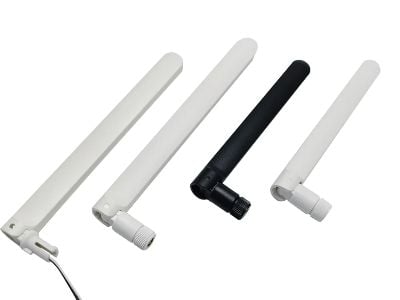
When evaluating antennas for Internet of Things (IoT) applications, particularly in long-range use cases, the choice between LoRa fiberglass antennas and rubber antennas is crucial. This article provides a performance comparison of LoRa fiberglass antennas versus rubber antennas, focusing on key aspects such as specifications, cost factors, common problems, and guidelines for selection. Understanding these elements will help purchasing managers, engineers, and product managers make informed decisions that align with their operational needs.
How to Compare LoRa Antenna Performance for Long-Range Applications?
When assessing the performance of LoRa antennas for long-range applications, several specifications come into play, including gain, frequency range, and radiation pattern. The gain of an antenna measures its ability to direct radio waves in a particular direction, which is essential for long-rangecommunication. Higher gain antennas, typically fiberglass, can achieve greater distances but may require precise alignment with the receiver. The frequency range specifies the bands over which the antenna operates effectively. For LoRa applications, antennas commonly operate in sub-GHz frequencies, which are crucial for penetrating obstacles and extending range. It's also important to assess the radiation pattern, as this defines how the antenna distributes radio waves, influencing coverage and signal quality. In practical terms, buyers should verify that the antenna outdoor wifi specifications align with their specific use conditions. For example, a fiberglass antenna may be preferred in environments where durability and range are priorities, while a rubber antenna might suffice for less demanding applications. Testing under real-world conditions is critical to confirm theoretical performance.
Cost Factors in Selecting LoRa Fiberglass vs. Rubber Antennas
Cost is a significant factor when choosing between fiberglass and rubber antennas. Fiberglass antennas often come at a higher price point due to their advanced materials and manufacturing processes, which contribute to their durability and performance in harsh environments. They typically feature a robust structure that can withstand weather elements, making them suitable for outdoor installations. On the other hand, rubber antennas are generally more cost-effective, which can be an advantage for bulk purchases or projects with limited budgets. However, the lower cost may mean compromises in performance, especially in terms of range and durability. Buyers should consider not only the purchase price but also the total cost of ownership, which includes installation, maintenance, and potential replacements. When making a selection, it's advisable to weigh the initial cost against long-term benefits. For instance, if a fiberglass antenna provides a longer lifespan and better performance, the higher upfront investment may be justified.
Fiberglass vs. Rubber
The choice between fiberglass and rubber antennas largely depends on the intended application and environmental conditions. Fiberglass antennas are rigid, offering enhanced structural integrity and durability. They are often preferred for outdoor applications where exposure to the elements is a concern. Their design can also facilitate higher gain, which is critical for long-range communication. Conversely, rubber antennas are flexible and lightweight, making them easier to install in various settings. This flexibility allows them to absorb impacts and resist damage from vibrations, which can be beneficial in mobile applications. However, they may not perform as well as fiberglass external wifi antenna in terms of range and signal clarity, especially in challenging environments. In summary, the decision should be based on specific application requirements, including environmental conditions, installation locations, and performance expectations. Conducting field tests can provide insights into how each type of antenna performs in the intended application.
Common Problems with LoRa Antennas and Their Solutions
Despite their advantages, both fiberglass and rubber LoRa antennas can encounter common problems that may affect performance. One prevalent issue is signal interference, which can arise from various sources, such as physical obstructions or electromagnetic interference from other devices. To mitigate this, buyers should ensure that the chosen antenna has an adequate gain to overcome these obstacles and that it is positioned correctly. Another common problem is physical damage. Fiberglass antennas, while robust, can still be susceptible to breakage if subjected to extreme conditions or impacts. Regular inspections and proper mounting techniques can help reduce the risk of damage. Rubber long range wifi antenna, though more impact-resistant, may degrade over time due to UV exposure or extreme temperatures, necessitating routine replacements. To address these issues, buyers should consider implementing quality control measures during installation and maintenance. Ensuring that antennas are installed in optimal locations and regularly checked for wear can significantly enhance their reliability and longevity.
When to Choose Fiberglass or Rubber?
Selecting between fiberglass and rubber antennas ultimately depends on the specific use case and operational requirements. Fiberglass antennas are ideal for applications that demand high performance, durability, and long-range capabilities. They are particularly suited for outdoor installations, remote monitoring, and industrial uses where environmental factors can impact performance.
Rubber antennas may be more appropriate for indoor applications, short-range communications, or situations where flexibility and ease of installation are prioritized. They are often favored in consumer electronics, automotive applications, or temporary setups where cost savings are essential.
As part of the decision-making process, buyers should consider the following factors:
Environmental Conditions: Assess whether the antenna will be exposed to harsh weather or physical impacts.
Performance Requirements: Determine the necessary range and signal quality for the application.
Budget Constraints: Evaluate the total cost of ownership, including installation and maintenance.
Installation Ease: Consider the complexity of installation and whether flexibility is needed.
By carefully evaluating these factors, purchasing managers and engineers can make more informed decisions that align with their operational needs and budget constraints.
