
 EN
EN
 ES
ES
 PT
PT
 NL
NL
 AR
AR
 HR
HR
 CS
CS
 DA
DA
 FI
FI
 FR
FR
 DE
DE
 EL
EL
 IT
IT
 JA
JA
 KO
KO
 NO
NO
 PL
PL
 RO
RO
 RU
RU
 SV
SV
 TL
TL
 IW
IW
 ID
ID
 LT
LT
 SR
SR
 SK
SK
 SL
SL
 UK
UK
 VI
VI
 ET
ET
 HU
HU
 MT
MT
 TH
TH
 TR
TR
 FA
FA
 GA
GA
 BE
BE
 IS
IS
 LB
LB
 BG
BG

/images/share.png)
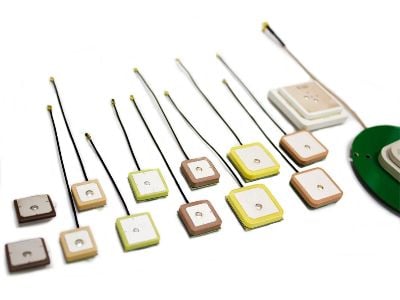
Understanding LTE antennas is crucial for professionals involved in industrial wireless projects, as these components play a vital role in connectivity and communication. This article, titled "LTE Antenna Explained: Gain, VSWR, and Bandwidth for Industrial Wireless Projects," delves into essential factors such as gain, Voltage Standing Wave Ratio (VSWR), and bandwidth, helping purchasing managers, engineers, and product managers make informed decisions. By addressing these key specifications, we aim to clear up common concerns regarding performance, compatibility, and quality assurance in the selection of LTE antennas.
Understanding Gain, VSWR, and Bandwidth in LTE Antennas for Your Projects
Gain, VSWR, and bandwidth are fundamental parameters that determine the performance of LTE antennas.
Gain measures an antenna's ability to focus energy in a particular direction. A higher gain indicates that an antenna can transmit and receive signals more effectively over greater distances, which is particularly beneficial in industrial applications where coverage and signal reliability are paramount. For instance, if your project involves a large manufacturing facility, selecting an antenna with a higher gain can ensure better signal penetration through walls and machinery.
VSWR (Voltage Standing Wave Ratio) is a critical indicator of antenna efficiency and performance. It measures how well the antenna is matched to the transmission line. A lower VSWR value, ideally below 2:1, indicates minimal signal reflection, which translates to better energy transmission and reception. If the VSWR is too high, it can lead to power loss and potential damage to your equipment. Buyers should consider performance testing and proper installation to maintain optimal VSWR levels.
Bandwidth refers to the range of frequencies over which the antenna can operate effectively. In industrial settings, where multiple devices may use varying frequencies for communication, a wide bandwidth is desirable. This allows for flexibility in device compatibility and ensures robust performance across different applications. When selecting an LTE antenna, consider the frequency requirements of your wireless devices to ensure that the chosen antenna can support them adequately.
How to Choose the Right LTE Antenna for Industrial Applications?
Selecting the appropriate LTE antenna for industrial applications involves a comprehensive assessment of specific requirements. Start by evaluating the application environment. Factors such as physical obstacles, the size of the coverage area, and potential interference sources must be considered.
Next, assess antenna types. Depending on your needs, you may opt for omnidirectional antennas, which provide 360-degree coverage, or directional antennas that focus energy in a specific direction for extended range. For example, if your application involves monitoring equipment in a remote area, a directional antenna may offer the best performance. Additionally, consider the environmental conditions. gps ground antennas must withstand factors such as temperature fluctuations, humidity, and potential exposure to chemicals. Ensure that the selected antenna features IP ratings or weatherproofing suitable for your operational environment. Lastly, customization options can play a significant role in ensuring compatibility with existing systems. Discuss with your manufacturer about tailored solutions that meet your specific industrial needs, including mounting options and connector types.
What to Look for in LTE Antenna Manufacturing?
When sourcing LTE antennas, the manufacturing process is a crucial factor that influences performance and reliability. Start by investigating the production capabilities of the manufacturer. A company like Signal Plus Technology Co., Ltd., which operates 20 production lines and utilizes advanced testing equipment, can ensure high-quality products that meet industry standards. Evaluate the materials used in production. High-quality materials contribute to durability and performance. For instance, gnss & gps antennas constructed with corrosion-resistant materials can withstand harsh industrial conditions, prolonging their lifespan. Additionally, a thorough quality control process is essential. Look for manufacturers who implement rigorous testing procedures throughout production. This could include testing for gain, VSWR, and environmental resistance. A manufacturer with a strong emphasis on quality assurance will likely produce antennas that perform reliably in real-world applications. Finally, consider the manufacturer’s certifications and patents. Certifications can indicate compliance with industry standards, while patents suggest innovation and a commitment to research and development.
Cost Factors to Consider When Purchasing LTE Antennas in Bulk
When purchasing LTE antennas in bulk, understanding the cost factors involved is vital for budget management. Material costs often represent a significant portion of the overall price. Higher-quality materials may result in increased costs but can lead to better performance and longer-lasting products, which is especially important in industrial applications. Customization requests can also impact pricing. Custom features such as specific connector types, sizes, or packaging requirements can increase costs. Buyers should clearly outline their specifications when requesting quotes to avoid unexpected expenses. Additionally, production capacity and lead times can affect pricing. Large orders may benefit from economies of scale, but it’s essential to confirm the manufacturer’s ability to meet deadlines. Delays in delivery can impact project timelines, so ensuring that the chosen supplier can deliver on time should be a priority. Finally, consider shipping costs. Depending on the order size and destination, these can vary significantly. Request shipping estimates as part of your procurement process to get a complete picture of your total costs.
Common Problems with LTE Antennas and Effective Solutions
While LTE antennas are designed for reliability, several common problems can arise during their use. One prevalent issue is poor signal quality due to improper installation or mismatched components. To mitigate this, ensure that the installation aligns with the manufacturer's guidelines and that all connectors and cables are compatible with the antenna. Another frequent concern is environmental interference. Factors such as physical barriers, electronic devices, or even weather conditions can adversely affect signal strength. Conducting a site survey prior to installation can help identify potential interference sources, allowing you to select the most suitable external antennas type and placement. Physical damage is another risk, particularly in industrial environments. Regular maintenance checks can help identify wear and tear before it leads to failure. It’s advisable to have a contingency plan for replacing damaged antennas quickly to minimize downtime. Lastly, updating firmware or software associated with wireless systems can also solve connectivity issues. Ensure that all connected devices are regularly updated to maintain compatibility and performance. By understanding these common problems and their solutions, buyers can ensure that their LTE antennas function optimally in demanding industrial applications.
Table of Contents
- Understanding Gain, VSWR, and Bandwidth in LTE Antennas for Your Projects
- How to Choose the Right LTE Antenna for Industrial Applications?
- What to Look for in LTE Antenna Manufacturing?
- Cost Factors to Consider When Purchasing LTE Antennas in Bulk
- Common Problems with LTE Antennas and Effective Solutions
