
 EN
EN
 ES
ES
 PT
PT
 NL
NL
 AR
AR
 HR
HR
 CS
CS
 DA
DA
 FI
FI
 FR
FR
 DE
DE
 EL
EL
 IT
IT
 JA
JA
 KO
KO
 NO
NO
 PL
PL
 RO
RO
 RU
RU
 SV
SV
 TL
TL
 IW
IW
 ID
ID
 LT
LT
 SR
SR
 SK
SK
 SL
SL
 UK
UK
 VI
VI
 ET
ET
 HU
HU
 MT
MT
 TH
TH
 TR
TR
 FA
FA
 GA
GA
 BE
BE
 IS
IS
 LB
LB
 BG
BG

/images/share.png)
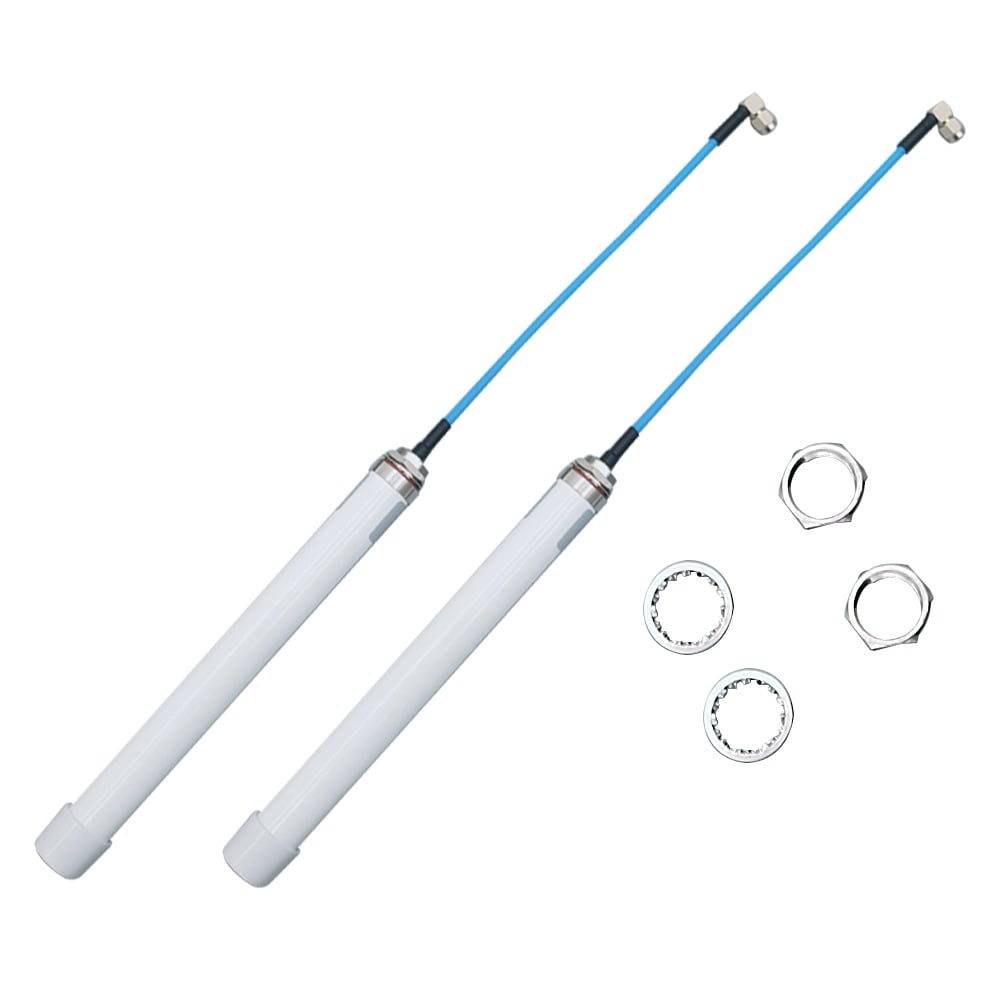
LoRa fiberglass antennas are specialized devices designed for long-range outdoor communication over LoRaWAN networks. As businesses increasingly rely on IoT applications and remote monitoring, the choice of antenna plays a crucial role in network performance. B2B buyers, including purchasing managers and engineers, often seek to understand the benefits, specifications, and installation requirements of these antennas before making procurement decisions. This article will provide insights into the advantages of LoRa fiberglass antennas, key specifications to consider, quality evaluation methods, installation guidance, and cost factors for bulk orders.
Understanding the Benefits of LoRa Fiberglass Antennas for B2B Buyers
LoRa fiberglass antennas offer several advantages, particularly for outdoor applications requiring long-range data transmission. One of the primary benefits is their durability; fiberglass is resistant to environmental factors such as moisture, UV radiation, and temperature fluctuations, ensuring reliable performance over time. This is particularly important for outdoor installations where exposure to harsh conditions is common.
Additionally, LoRa antennas provide excellent signal propagation characteristics. Their design allows for enhanced range, which is vital for IoT applications where devices may be spread over large areas. As a B2B buyer, understanding these benefits helps in evaluating whether a LoRa fiberglass antenna suits your project requirements, particularly in scenarios like agricultural monitoring, smart city applications, and remote asset tracking.
Key Specifications of LoRa Fiberglass Antennas for Wholesale Purchasers
When selecting LoRa fiberglass antennas, several key specifications should be considered:
Frequency Range: Most LoRa antennas operate in the sub-GHz frequency range (e. g., 868 MHz, 915 MHz). Ensure the antenna matches the operational frequency of your LoRaWAN network.
Gain: The gain of an antenna, measured in dBi, indicates its ability to direct radio waves. Higher gain antennas can transmit signals over longer distances but may have a narrower beamwidth, which could affect coverage.
Polarization: Antennas can be vertically or horizontally polarized. Choose the polarization based on the setup of your devices and the required orientation for optimal signal reception.
Connector Type: Ensure that the antenna's connector is compatible with your hardware. Common connector types include SMA, N-Type, and RP-SMA.
Physical Dimensions: The size and weight of the antenna can impact installation logistics. Verify that the chosen antenna fits within your spatial constraints and mounting solutions.
Understanding these specifications will help wholesale purchasers make informed decisions, ensuring the selected antennas align with their network requirements and installation conditions.
Evaluating Quality and Performance in LoRa Antennas for Projects
Quality assurance is crucial when selecting LoRa antennas. Buyers should consider several factors to evaluate the performance and reliability of the antennas:
Material Quality: Fiberglass should be of high quality to withstand environmental stresses. Look for antennas that have undergone rigorous testing for durability and weather resistance.
Manufacturing Processes: Understanding the manufacturing capabilities of your supplier can provide insights into their quality control measures. For example, Signal Plus Technology Co., Ltd. employs precise testing equipment to ensure the reliability of their products.
Certifications: Check for any relevant certifications that may indicate compliance with industry standards. While our company background does not specify certifications, discussing these with your supplier can clarify product reliability.
Field Testing: Request performance data or case studies from similar applications. This real-world evidence can help assess how the antenna will perform in your specific use case.
Sample Testing: Always test samples under actual operating conditions before committing to bulk orders. This step is crucial to ensure compatibility and effectiveness in your intended application.
Installation Guidance for LoRa Fiberglass Antennas in Outdoor Settings
Proper installation of LoRa fiberglass antenna is essential for optimal performance. Here are key considerations for outdoor installations:
Mounting Location: Choose a location that maximizes height and minimizes obstructions. Antennas should be mounted as high as possible to enhance line-of-sight connectivity.
Orientation: Ensure that the antenna is oriented correctly based on its polarization type. Misalignment can lead to significant signal loss.
Weatherproofing: Use appropriate weatherproofing techniques to protect connectors and joints from moisture. This may include using weather-tight enclosures or sealants.
Grounding: Proper grounding is essential to protect the antenna and connected devices from lightning strikes and electrical surges.
Cable Length and Quality: Minimize the length of the coaxial cable used to connect the antenna to the device. If longer cables are necessary, ensure they are of high quality to reduce signal loss.
Following these guidelines will help ensure that your LoRa fiberglass antenna operates effectively and reliably in outdoor environments.
Comparing Cost Factors of LoRa Antennas for Bulk Orders
Cost is an important consideration for any B2B buyer looking to purchase LoRa antennas in bulk. Several factors can affect pricing:
Quantity Ordered: Typically, bulk orders can lead to significant discounts. Be clear about your minimum order quantities (MOQ) when discussing pricing with suppliers.
Customization: If your project requires specific customization (e. g., unique connectors, colors, or performance specifications), this can impact costs. Clarify customization options with the manufacturer early in the process.
Shipping and Handling: Consider shipping costs, especially for large orders. Assess whether your supplier can provide cost-effective shipping solutions.
Lead Time: Antennas with shorter lead times may come at a premium. If your project timeline allows for longer lead times, you may find better pricing options.
Payment Terms: Discuss payment arrangements that could provide financial flexibility, such as staggered payments or discounts for early payment.
By understanding these factors, B2B buyers can make smarter purchasing decisions when sourcing LoRa fiberglass VHF antenna, ensuring both quality and cost-effectiveness in their procurement process.
Table of Contents
- Understanding the Benefits of LoRa Fiberglass Antennas for B2B Buyers
- Key Specifications of LoRa Fiberglass Antennas for Wholesale Purchasers
- Evaluating Quality and Performance in LoRa Antennas for Projects
- Installation Guidance for LoRa Fiberglass Antennas in Outdoor Settings
- Comparing Cost Factors of LoRa Antennas for Bulk Orders
