
 EN
EN
 ES
ES
 PT
PT
 NL
NL
 AR
AR
 HR
HR
 CS
CS
 DA
DA
 FI
FI
 FR
FR
 DE
DE
 EL
EL
 IT
IT
 JA
JA
 KO
KO
 NO
NO
 PL
PL
 RO
RO
 RU
RU
 SV
SV
 TL
TL
 IW
IW
 ID
ID
 LT
LT
 SR
SR
 SK
SK
 SL
SL
 UK
UK
 VI
VI
 ET
ET
 HU
HU
 MT
MT
 TH
TH
 TR
TR
 FA
FA
 GA
GA
 BE
BE
 IS
IS
 LB
LB
 BG
BG

/images/share.png)
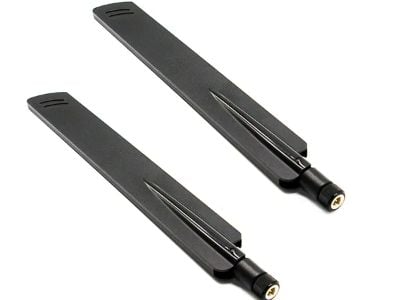
Understanding what an LTE antenna is and how it functions in cellular IoT systems is crucial for professionals involved in telecommunications, manufacturing, and technology development. Signal outdoor lte antenna play a vital role in enhancing connectivity and performance in various devices, from routers to mobile phones. This article will address key buyer concerns, including selection criteria, specifications, and installation guidance, ensuring you have the necessary insights to make informed purchasing decisions.
How LTE Antennas Enhance Performance in Cellular IoT Systems?
LTE (Long-Term Evolution) antennas are essential for cellular IoT systems as they facilitate high-speed data transmission and improve overall network performance. These antennas operate within the LTE frequency bands, optimizing signal reception and transmission for devices that rely on cellular networks. A well-designed LTE antenna can significantly enhance data rates, reduce latency, and improve the reliability of communication links in IoT applications.
The performance of an LTE antenna directly affects the efficiency of the devices using it. Factors such as gain, radiation pattern, and polarization are critical in determining how effectively an antenna can transmit and receive signals. A higher gain, for instance, allows the 4g lte outdoor antenna to capture weaker signals, which is particularly important in urban areas where signal interference is common. Understanding these parameters helps buyers select antennas that will meet the unique demands of their IoT applications.
Where to Wholesale LTE Antennas for Reliable Supply Solutions?
When sourcing LTE antennas, it's essential to choose a reliable supplier that can ensure consistent quality and availability. Signal Plus Technology Co., Ltd. is a reputable manufacturer specializing in various antennas, including LTE models, and can be an excellent partner for wholesale purchasing. With 20 production lines and strict quality control processes, they can accommodate bulk orders while maintaining high standards.
Buyers should consider suppliers with a proven track record in the industry that offers comprehensive support services, including customization options and technical assistance. It's beneficial to engage with suppliers who can provide detailed product specifications, certifications, and testing results, ensuring the antennas meet required performance standards. Establishing a long-term relationship with a dependable manufacturer can also streamline the ordering process and reduce lead times.
Key Specifications to Evaluate in LTE Antennas for IoT Devices
When selecting LTE antennas for IoT devices, several specifications should be evaluated to ensure optimal performance. Key factors include:
Frequency Range: Ensure the antenna covers the specific LTE bands required for the application. Different regions may utilize different frequency bands, so confirming compatibility with local networks is vital.
Gain: Measured in dBi (decibels relative to an isotropic radiator), gain indicates the antenna's ability to focus energy in a particular direction. Higher gain antennas are generally better for long-range communications, while lower gain antennas may be suitable for short-range applications.
Radiation Pattern: The antenna's radiation pattern determines how signals are transmitted and received in various directions. Omnidirectional antennas offer 360-degree coverage, while directional antennas focus signals in a specific direction, which can be advantageous in certain applications.
Impedance: Most LTE antennas operate at a standard impedance of 50 ohms. Ensuring compatibility with the device's input is crucial to prevent signal loss.
Durability and Environmental Ratings: For outdoor applications, antennas need to withstand various environmental conditions. Look for antennas with appropriate ratings for moisture, UV exposure, and temperature variations.
Evaluating these specifications against your application's specific requirements will help ensure you select the right LTE antenna for your IoT devices.
Installation Guidance for Optimal LTE Antenna Placement in IoT
Proper installation of LTE antennas is vital for maximizing performance in cellular IoT systems. Here are some key considerations for optimal placement:
Height and Location: Install antennas at a height that minimizes obstructions such as buildings and trees. The higher the antenna, the better the line of sight to cellular towers, which can enhance signal quality.
Orientation: Depending on whether you're using an omnidirectional or directional antenna, orientation plays a crucial role. Directional antennas should be aligned towards the nearest cell tower, while omnidirectional antennas should be installed vertically to ensure consistent coverage.
Avoiding Interference: Place antennas away from electronic devices, metallic structures, or any sources of interference that may degrade signal quality. Conduct a site survey if necessary to determine optimal locations.
Cabling and Connectors: Use high-quality coaxial cables and connectors to minimize signal loss between the antenna and the device. Ensure that cables are of appropriate length to avoid unnecessary losses.
By adhering to these installation guidelines, you can optimize the performance of LTE antennas in your IoT applications, leading to enhanced connectivity and data transmission reliability.
Why It Matters When Sourcing LTE Antennas?
Sourcing LTE antennas from a reputable manufacturer is critical for ensuring quality, performance, and compliance with industry standards. The right supplier can provide antennas that are not only designed for specific applications but also undergo rigorous testing to meet performance criteria.
Additionally, working with a manufacturer like Signal Plus Technology Co., Ltd., which has extensive experience in the development and production of RF components, can provide buyers with confidence in the reliability of their products. Understanding the importance of factors such as production capabilities, quality control processes, and customization options is essential when making purchasing decisions.
In summary, when sourcing LTE antennas, consider the specifications that align with your application, the reliability of your supplier, and the installation practices that will ensure optimal performance of your lte external antenna. By focusing on these aspects, you can make informed decisions that support the success of your IoT systems.
