
 EN
 ES
 PT
 NL
 AR
 HR
 CS
 DA
 FI
 FR
 DE
 EL
 IT
 JA
 KO
 NO
 PL
 RO
 RU
 SV
 TL
 IW
 ID
 LT
 SR
 SK
 SL
 UK
 VI
 ET
 HU
 MT
 TH
 TR
 FA
 GA
 BE
 IS
 LB
 BG


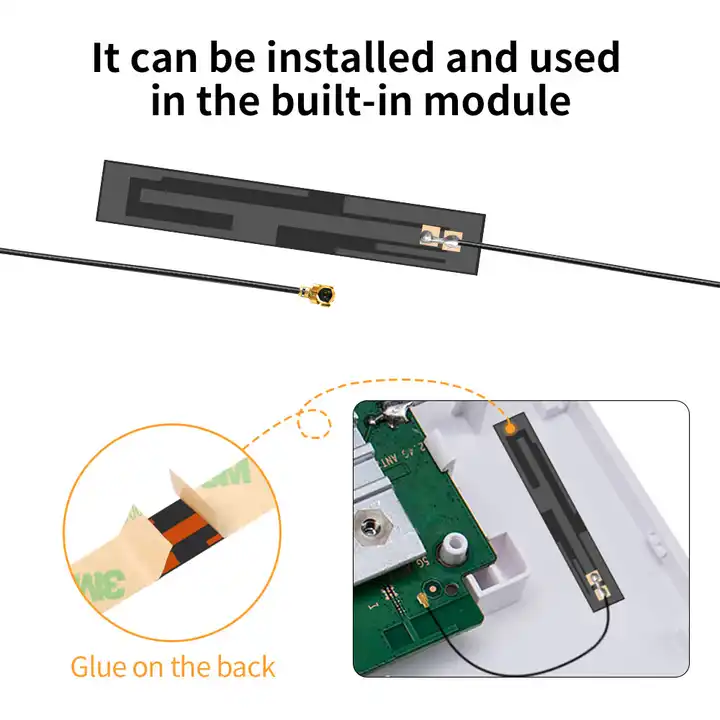
Active FPC antennas for 2.4G/5.8G WiFi are essential components in the development of compact embedded IoT hardware. These antennas provide a reliable wireless connection, which is a critical concern for purchasing managers and engineers involved in IoT projects. This article will delve into the advantages of active FPC antennas, helping you understand how to choose the right one, their specifications, installation guidance, common issues, and what buyers need to know for a successful procurement process.
How to Choose the Right Active FPC Antenna for Your Project
Selecting the right active FPC antenna involves several considerations. First, assess the frequency requirements of your application. Active FPC antennas for 2.4G/5.8G WiFi are designed to operate efficiently within these bands, which are commonly used for wireless communications.
Next, consider the size and form factor of the antenna. Active antenna FPC are typically thin and flexible, making them suitable for compact devices where space is limited. Ensure the dimensions fit within the design of your hardware.
Additionally, evaluate the intended use environment. Factors such as temperature range, humidity, and potential exposure to interferences can significantly impact performance. Discuss these requirements with your supplier to ensure the antenna selected can withstand the conditions it will face.
Lastly, consider the manufacturer’s expertise and capabilities. For instance, Signal Plus Technology Co., Ltd. has a robust background in producing high-quality antennas tailored for various applications, which can be a significant advantage in ensuring reliability and performance.
Key Specifications of Active FPC Antennas for IoT Applications
When assessing active FPC antennas, it's essential to focus on key specifications that affect performance and compatibility. Here are some critical specifications:
Frequency Range: The operational frequency range should align with your application. For 2.4G/5.8G WiFi, ensure the antenna covers these bands effectively to guarantee optimal signal reception and transmission.
Gain: This specification indicates how well the antenna converts input power into radio waves. A higher gain often results in better performance, particularly in environments with physical obstructions.
Impedance: Typically, active FPC antennas operate at a 50-ohm impedance. Ensure that this matches your device’s requirements to avoid signal loss.
Radiation Pattern: Understanding the radiation pattern helps determine coverage and performance in specific orientations. Most applications require an omnidirectional pattern for even coverage.
Size and Weight: For compact embedded IoT devices, the antenna's size and weight are crucial. Ensure that the antenna's dimensions fit within your device's design constraints without compromising performance.
These specifications are fundamental to ensuring that the chosen antenna meets the technical requirements of your project and operates reliably under expected conditions.
Installation Guidance for Active FPC Antennas in Compact Devices
Proper installation of active FPC WiFi antenna is vital for achieving optimal performance. Here are some guidelines:
Mounting Surface: Ensure the surface where the antenna is mounted is clean and free of contaminants. Any debris can affect the antenna's ability to transmit and receive signals effectively.
Orientation: The orientation of the antenna during installation can significantly impact performance. Follow the manufacturer’s recommendations for the optimal orientation to maximize signal strength.
Connection Quality: Pay close attention to the connection points. Ensure that connectors are properly seated and that there are no loose connections, as these can lead to signal loss.
Testing: After installation, conduct thorough testing. Ensure that the antenna operates within expected parameters and that signal strength meets project specifications.
Environmental Considerations: If the device will be exposed to extreme conditions, consider additional protective measures, such as enclosures or coatings, to safeguard the antenna.
Following these installation guidelines can help mitigate common issues and enhance the overall performance of the antenna in your IoT hardware.
Common Problems with Active FPC Antennas and Their Solutions
While active FPC antennas are designed for reliability, issues can arise. Here are some common problems and their solutions:
Signal Loss: If you experience significant signal loss, check the installation. Ensure there are no obstructions nearby, and verify that the antenna is oriented correctly. Poor connections can also lead to decreased performance, so inspect all connections.
Interference: Interference from other devices can affect performance. If interference is suspected, consider testing in a controlled environment to identify the source. You may need to adjust the antenna's placement or use filtering solutions.
Physical Damage: Being flexible, FPC antennas can be susceptible to damage. Ensure that the installation does not subject the antenna to excessive bending or stress, and consider using protective casings where necessary.
Incompatibility: If the antenna does not seem to perform as expected, verify compatibility with your hardware. Ensure that the impedance and frequency specifications match your device's requirements.
By proactively addressing these issues, buyers can enhance the reliability and effectiveness of active FPC antennas within their projects.
What Buyers Need to Know
Before purchasing active FPC external antennas for your IoT applications, consider the following:
Customization Needs: Depending on your project, you may require customized antennas. Discuss your specific needs with the manufacturer, including size, gain, and other specifications.
Minimum Order Quantity (MOQ): Clarify the MOQ with your supplier. Understanding this upfront can help with budgeting and planning for production runs.
Lead Time: Inquire about lead times for production and delivery. This information is crucial for project timelines and avoiding delays.
Quality Assurance: Ensure that the manufacturer has robust quality control processes in place. Request information about testing methods and certifications that validate the antenna's performance.
Technical Support: A reliable supplier should offer technical support during the selection and installation processes. This support can be invaluable in resolving issues quickly.
By keeping these considerations in mind, buyers can make informed decisions that lead to successful integration of active FPC antennas into their IoT products.
