
 EN
 ES
 PT
 NL
 AR
 HR
 CS
 DA
 FI
 FR
 DE
 EL
 IT
 JA
 KO
 NO
 PL
 RO
 RU
 SV
 TL
 IW
 ID
 LT
 SR
 SK
 SL
 UK
 VI
 ET
 HU
 MT
 TH
 TR
 FA
 GA
 BE
 IS
 LB
 BG


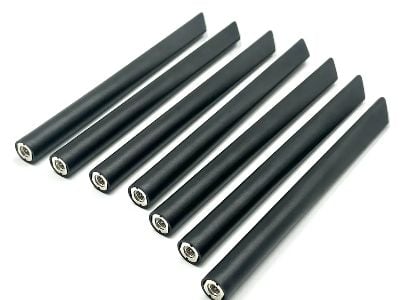
WiFi 2.4GHz/5.8GHz Active FPC Antennas are specialized components designed to enhance wireless communication for various devices. These antennas are critical in optimizing signal strength and quality for applications ranging from routers to handheld devices. For B2B buyers, concerns typically revolve around specifications, installation requirements, and application suitability, all of which directly impact performance and reliability. This article will help you understand the specifications, key factors to consider when purchasing, cost considerations, application scenarios, and installation guidance for WiFi 2.4GHz/5.8GHz Active FPC Antennas.
Understanding WiFi 2.4GHz/5.8GHz Active FPC Antenna Specifications
WiFi Active FPC (Flexible Printed Circuit) Antennas operate in two frequency bands: 2.4GHz and 5.8GHz. The specifications of these antennas can significantly influence their performance.
Frequency Range: This determines the operating capability of the antenna. The 2.4GHz band offers broader coverage but may be subject to interference from other devices, while the 5.8GHz band provides higher data rates with a shorter range.
Gain: Measured in decibels (dBi), gain indicates the antenna's ability to focus energy in a specific direction. Higher gain results in a stronger signal over longer distances, which is crucial for applications where coverage is essential.
Impedance: Typically 50 ohms, this affects how efficiently the antenna can transmit and receive signals. Mismatches in impedance can lead to signal loss.
Dimensions and Form Factor: The size and shape of the antenna must fit within the device's design constraints while providing adequate performance. Active FPC outdoor wifi antenna are known for their slim profile, making them ideal for compact devices.
Operating Temperature Range: This is vital for applications in extreme environments. Buyers should verify that the antenna can withstand the conditions in which it will be used.
Understanding these specifications will help buyers select the right antenna for their specific applications, ensuring optimal performance and reliability.
Key Factors to Consider
When purchasing WiFi 2.4GHz/5.8GHz Active FPC Antennas, several key factors should be taken into account:
Application Requirements: The intended use of the antenna greatly influences its specifications. For example, devices used in urban areas may require antennas with higher gain to overcome interference.
Customization Options: Depending on your application, you may need antennas tailored to specific dimensions, gain levels, or materials. Ensure your supplier has the capability to meet these customization needs without compromising quality.
Quality Standards: Look for manufacturers that adhere to international quality standards and have established quality control processes. This can include testing for durability and performance under various conditions.
Lead Time and Production Capacity: Understanding the supplier's production capacity and lead times is essential for planning and ensuring timely delivery. Discussing these aspects upfront can prevent potential delays in your project timeline.
Certifications: While the company background did not specify certifications, it is prudent to inquire about any relevant certifications that might be required for your industry, especially if the exterior wifi antenna will be used in regulated applications.
By carefully considering these factors, buyers can make informed decisions that align with their project requirements and budget constraints.
Cost Factors to Consider When Purchasing Active FPC Antennas
The cost of WiFi 2.4GHz/5.8GHz Active FPC Antennas can vary widely based on several factors:
Material Costs: The choice of materials affects both performance and pricing. Higher-quality materials may offer better durability and performance but can increase costs.
Volume Orders: Bulk purchases often lead to reduced unit costs. Understanding the Minimum Order Quantity (MOQ) and potential price breaks for larger orders can help buyers optimize their budgets.
Customization Fees: Custom designs may incur additional costs. It is essential to discuss any potential fees for design alterations or special requirements upfront.
Testing and Quality Assurance: Costs associated with testing for quality assurance should be factored into the total price. Reliable manufacturers will often include testing as part of their service, but it's worth confirming.
Shipping and Logistics: Depending on the location of the manufacturer, shipping costs can significantly affect the total price. Buyers should evaluate shipping options and lead times when budgeting.
Understanding these cost factors will help buyers prepare for negotiations and make more informed purchasing decisions.
Application Scenarios for WiFi 2.4GHz/5.8GHz Active FPC Antennas
WiFi 2.4GHz/5.8GHz Active FPC Antennas are utilized across a variety of applications, including:
Wireless Routers and Access Points: These antennas are integral in enhancing coverage and performance in both residential and commercial networks.
Telecommunications Devices: Handheld devices, such as smartphones and tablets, benefit from the compact design and improved signal quality provided by these antennas.
Smart Home Devices: As more household devices become interconnected, the demand for reliable WiFi connectivity has risen, making these antennas ideal for smart home applications.
Industrial Equipment: In manufacturing and logistics, devices equipped with these antennas can maintain stable connections, which is crucial for real-time data transmission and monitoring.
IoT Applications: With the growing Internet of Things (IoT) market, these antenna outdoor wifi are essential for devices that require consistent wireless communication in various environments.
Understanding these application scenarios helps buyers assess how well a particular antenna will meet the demands of their specific use case.
Installation Guidance for Optimal Performance of WiFi Antennas
To maximize the performance of WiFi 2.4GHz/5.8GHz Active FPC Antennas, proper installation is crucial. Here are some guidelines:
Placement: Position antennas in an area free from obstructions that could block signals. Ideally, they should be elevated and in the center of the coverage area.
Orientation: Antennas should be oriented according to their design specifications. For directional antennas, aligning them towards the user area can enhance signal strength.
Cable Quality: Use high-quality coaxial cables to connect the antennas to the devices. Poor-quality cables can introduce signal loss, negating the benefits of the antenna.
Testing: Conduct signal strength tests after installation to identify any weak spots in the coverage area. Adjustments may be necessary based on these tests.
Environmental Considerations: Ensure that the installation site does not expose the antennas to extreme conditions unless they are rated for such environments.
By following these installation guidelines, buyers can ensure that their antennas operate at peak performance, contributing to the overall success of their wireless communication systems.
