
 EN
EN
 ES
ES
 PT
PT
 NL
NL
 AR
AR
 HR
HR
 CS
CS
 DA
DA
 FI
FI
 FR
FR
 DE
DE
 EL
EL
 IT
IT
 JA
JA
 KO
KO
 NO
NO
 PL
PL
 RO
RO
 RU
RU
 SV
SV
 TL
TL
 IW
IW
 ID
ID
 LT
LT
 SR
SR
 SK
SK
 SL
SL
 UK
UK
 VI
VI
 ET
ET
 HU
HU
 MT
MT
 TH
TH
 TR
TR
 FA
FA
 GA
GA
 BE
BE
 IS
IS
 LB
LB
 BG
BG

/images/share.png)
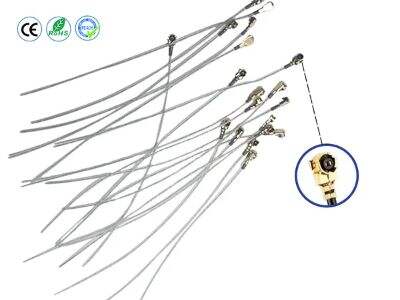
When it comes to using drones in farming, having the right antenna is super important. A long-range 2.4 GHz antenna helps your drone communicate better, which means you can control it from farther away. This is especially useful when flying over large fields or hard-to-reach areas. Signal is a brand that understands this need and offers great options. With a good WiFi Antenna, farmers can gather data, monitor crops, and even spray pesticides more effectively. So, knowing how to pick the best antenna can make a big difference in how well your drone works.
How to Choose the Best Long-Range 2.4 GHz Antenna for Your Drone Needs?
Choosing the right antenna for your drone is not just about picking any antenna; it's about finding the best fit for your specific needs. First, think about the distance you want your drone to fly. Some antennas work well for short distances, while others can reach much farther. If you're working on a large farm, you will need one that can send and receive signals over long distances. Another thing to consider is the type of terrain you will be flying over. If your fields have lots of trees or hills, you might want an antenna that can easily overcome these obstacles. Signal offers antennas designed to handle these challenges well. Next, look at the gain of the antenna. Gain measures how well an antenna can send and receive signals. Higher gain usually means better performance. However, be careful, as too much gain can make the signal narrow, which might not be ideal for all situations. Finally, think about how easy it is to install and use. A complicated setup can lead to frustration. Signal antennas often come with user-friendly guides, making it easier for anyone, even if you’re new to drones, to get started. So, take your time, do some research, and choose wisely to get the best antenna for your agricultural drone.
What Makes a 2.4 GHz Antenna Ideal for Agricultural Drone Operations?
A 2.4 GHz antenna is a popular choice for agricultural drones for several reasons. First, this frequency band is widely used, which means many drones are already designed to work with it. This makes finding compatible devices easier. Also, the 2.4 GHz band can cover long distances, which is crucial for monitoring large fields. Farmers can send their drones far away to check on crops without worrying about losing connection. Another reason is that the 2.4 GHz frequency can penetrate obstacles like trees or buildings better than higher frequencies. This is helpful on farms with many plants and structures. Additionally, 2.4 GHz antennas are usually more affordable than other types, making them a good choice for farmers looking to manage costs. Signal has designed antennas specifically for agricultural use, ensuring they meet the needs of farmers and their drones. Finally, having a reliable antenna means better data collection. With clear signals, farmers can gather important information about their crops, helping them make better decisions. In summary, a 2.4 GHz antenna is ideal for agricultural drones because of its range, ability to handle obstacles, cost-effectiveness, and reliable data transmission.
What You Need to Know?
When it comes to using drones in farming, one important part is the antenna. The antenna helps the drone communicate with the pilot. A good antenna can make a big difference in how far and how well the drone can fly. One common type of antenna used in drones is the 2.4 GHz antenna. This antenna works on a frequency of 2.4 gigahertz, which is a radio wave frequency. It is popular because it can send and receive signals over long distances. If you want your drone to work better and reach farther, you need a long-range 2.4 GHz antenna.
When choosing an antenna, you should look for a few important things. First, check the range. A long-range antenna can help your drone fly farther without losing the signal. Second, consider the material. A good antenna should be made of strong materials to withstand outdoor conditions like wind and rain. Also, think about the size and weight of the antenna. It should be light enough so it does not slow down the drone but strong enough to perform well.
Finally, make sure the antenna is easy to install. Some 5g antenna come with installation kits, which can make it easier for you to attach them to your drone. In summary, if you want to upgrade your drone for farming, a long-range 2.4 GHz antenna is a great choice. It helps improve communication, allows for longer flights, and can make your drone work better on your farm.
Where to Source High-Quality 2.4 GHz Antennas for Agriculture?
Now that you understand the importance of a long-range 2.4 GHz antenna for your drone, you may wonder where to find one. A good place to start is online. There are many websites that sell drone parts and accessories, including antennas. When shopping online, look for a website that specializes in drone equipment. This way, you can be sure that the products are of good quality.
Another option is to check local stores that sell drone parts. Sometimes, you can find great antennas right in your area. Visiting a store allows you to ask questions and see the antenna before you buy it. Make sure to look for a brand you can trust, like Signal. Signal is known for its high-quality antennas that work well with agricultural drones.
You can also ask other farmers or drone pilots for recommendations. They might know where to find the best antennas or have suggestions based on their own experiences. Joining online forums or social media groups about drones can also help you connect with others who can share their tips.
When you find a few antennas you like, check their reviews. Reviews can tell you if other people had a good experience with the product. Lastly, don’t forget to compare prices. While it is important to find a good quality antenna, you also want to make sure you are getting a fair price. By doing your research and exploring different options, you can find the perfect long-range 2.4 GHz antenna for your agricultural drone.
What Are the Benefits of Upgrading Your Drone's 2.4 GHz Antenna for Better Performance?
Upgrading your drone's 2.4 GHz antenna can bring many benefits, especially for farmers. One of the biggest advantages is improved range. A better antenna can help your drone fly much farther than before. This means you can cover more land when you are checking your crops or monitoring your fields. You won’t have to worry about losing the signal when the drone is far away.
Another benefit is better signal quality. A high-quality 5 g antenna can reduce interference from other signals, such as Wi-Fi from your home or signals from other devices. With less interference, your drone will have a stable connection to the pilot. This stability is important, especially when you need to make quick decisions while flying the drone.
Upgrading your antenna can also help with battery life. When the drone has a strong connection, it doesn’t have to work as hard to maintain the signal. This can save battery power, allowing you to fly for longer periods without needing to recharge. For farmers, this means you can complete your tasks more efficiently without interruptions.
Additionally, a better antenna can improve the overall performance of your drone. You may notice that the drone responds faster to your commands. This can be really helpful when you are trying to maneuver around obstacles or get the drone into tight spaces. Overall, upgrading to a long-range 2.4 GHz antenna, like those offered by Signal, can make your farming experience with drones more effective and enjoyable. By investing in a good antenna, you are setting yourself up for success in your agricultural work.
Table of Contents
- How to Choose the Best Long-Range 2.4 GHz Antenna for Your Drone Needs?
- What Makes a 2.4 GHz Antenna Ideal for Agricultural Drone Operations?
- What You Need to Know?
- Where to Source High-Quality 2.4 GHz Antennas for Agriculture?
- What Are the Benefits of Upgrading Your Drone's 2.4 GHz Antenna for Better Performance?
