
 EN
EN
 ES
ES
 PT
PT
 NL
NL
 AR
AR
 HR
HR
 CS
CS
 DA
DA
 FI
FI
 FR
FR
 DE
DE
 EL
EL
 IT
IT
 JA
JA
 KO
KO
 NO
NO
 PL
PL
 RO
RO
 RU
RU
 SV
SV
 TL
TL
 IW
IW
 ID
ID
 LT
LT
 SR
SR
 SK
SK
 SL
SL
 UK
UK
 VI
VI
 ET
ET
 HU
HU
 MT
MT
 TH
TH
 TR
TR
 FA
FA
 GA
GA
 BE
BE
 IS
IS
 LB
LB
 BG
BG

/images/share.png)
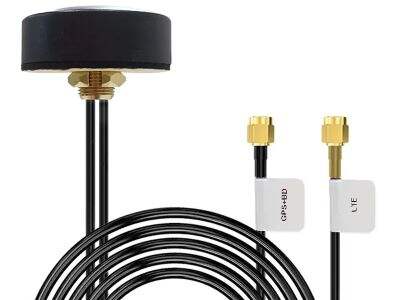
An active GNSS antenna plays a vital role in maritime navigation. This technology helps ships determine their exact location on the water. GNSS stands for Global Navigation Satellite System, which includes systems such as GPS. It uses signals from satellites in space to calculate a ship's position. With an active GNSS antenna, the accuracy of these signals is greatly improved. Better accuracy means safer journeys across the ocean. Sailors and captains can make better decisions when they know exactly where they are. This is especially important in busy shipping lanes or when navigating near land. An active multi band gnss antenna is a key tool for modern maritime navigation, making travel on the water safer and more efficient.
What to Look for in Wholesale Active GNSS Antennas for Marine Applications?
When looking for wholesale active GNSS antennas for marine applications, there are several important factors to consider. First, check the antenna's gain. Gain indicates how well the antenna receives satellite signals. A higher gain provides better signal reception, which is especially important when operating far from land.
Next, consider the antenna's frequency range. Many active multiband gnss antenna support multiple frequencies. This capability improves positioning accuracy, particularly in challenging weather conditions.
You should also consider the antenna's size and weight. Space is often limited on boats, so a compact design is usually preferred. A lightweight antenna is also easier to install and relocate if necessary.
Durability is another key consideration. Marine environments are harsh, exposing equipment to saltwater, moisture, and extreme temperatures. Look for antennas made from corrosion-resistant materials. It's also helpful to choose an antenna with an IP rating that indicates strong protection against water and dust.
The connector type is equally important. Make sure it is compatible with your vessel's navigation equipment to ensure simple installation.
Finally, review the warranty and customer support offered by the manufacturer. A solid warranty can reduce future repair costs, while responsive technical support provides peace of mind. By considering these factors, you can choose the right active GNSS antenna from Signal to meet your marine navigation requirements.
How Active GNSS Antennas Enhance Safety in Maritime Navigation?
Active GNSS antennas significantly improve safety at sea by providing highly accurate positioning information. When a vessel knows its precise location, it can avoid dangerous hazards such as rocks, reefs, and shallow water. This is particularly important during fog, storms, or poor visibility when visual navigation becomes difficult.
These antennas also improve route planning. Accurate positioning allows captains to select the safest and most efficient routes, reducing the risk of collisions and groundings. In busy ports, precise positioning helps vessels dock safely while minimizing the chance of accidents or property damage.
Another important benefit is improved communication. Many modern navigation systems rely on GNSS data that can be shared with nearby vessels and coast guard authorities. During emergencies, accurate location information allows rescue teams to respond more quickly, potentially saving lives.
Reliable GNSS systems may also reduce insurance costs. Insurance providers often recognize advanced navigation technology as a risk-reduction measure, which may result in lower premiums. Investing in high-quality active gnss antenna from Signal not only improves maritime safety but can also provide long-term financial benefits.
Common Usage Issues with Active GNSS Antennas in Marine Environments
Active GNSS antennas are essential navigation tools, but they can encounter several challenges in marine environments.
One common issue is signal interference caused by tall buildings, cliffs, or dense trees near shorelines. These obstacles can block satellite signals, reducing positioning accuracy and creating navigation errors.
Weather conditions can also affect performance. Heavy rain, storms, and dense fog may weaken satellite signals, making navigation less reliable. While modern GNSS systems are designed to minimize these effects, extreme weather can still impact signal quality.
Saltwater exposure presents another challenge. Over time, salt can corrode metal components and reduce antenna performance. Regular inspection and maintenance are necessary to protect the antenna and extend its service life.
Proper antenna placement is equally important. Installing the antenna beneath metal structures or too close to other electronic equipment can interfere with signal reception. Selecting an unobstructed mounting location helps maximize accuracy and reliability.
At Signal, we encourage vessel owners to regularly inspect their active GNSS antennas and understand these common issues. Proper installation and maintenance help ensure reliable navigation and improve safety on the water.
How to Choose the Right Active GNSS Antenna for Your Vessel?
Selecting the right active GNSS antenna depends on several important factors.
Start by considering the type of vessel you operate. Small recreational boats, fishing vessels, yachts, and commercial ships all have different navigation requirements.
Next, evaluate the environments where you typically sail. If you frequently operate near coastlines with tall buildings, mountains, or heavy vegetation, choose an antenna designed to maintain strong signal reception under challenging conditions. Likewise, consider how well the antenna performs during rain, fog, or rough weather.
The antenna's physical design also matters. Some models feature compact designs that fit limited installation spaces, while others are larger to provide enhanced performance. Choose a model that fits your available mounting location without interfering with other equipment.
Another important consideration is satellite compatibility. Some active GNSS antennas support multiple satellite constellations and frequencies, allowing them to receive signals from more satellites simultaneously. This improves positioning accuracy and reliability.
Signal offers a wide selection of active GNSS antennas designed for different marine applications, making it easier to find the ideal solution for your vessel.
Finally, establish a reasonable budget. While purchasing a high-quality antenna is important, comparing features, customer reviews, and long-term reliability helps ensure you receive the best value for your investment.
What Are the Benefits of Upgrading to an Active GNSS Antenna for Navigation?
Upgrading to an active GNSS antenna offers numerous advantages for marine navigation.
The most important benefit is improved positioning accuracy. By receiving stronger satellite signals and supporting multiple navigation systems, active GNSS antennas provide highly precise location information. This helps captains navigate safely, particularly in congested waterways and coastal areas.
Another major advantage is increased reliability. High-quality active GNSS antennas from Signal continue performing well even in environments where signal reception may be difficult, such as near tall structures or during adverse weather conditions. This reliability gives vessel operators greater confidence during every voyage.
An upgraded antenna also enhances the performance of other onboard navigation equipment, including chart plotters, autopilot systems, and electronic navigation displays. When all navigation systems receive accurate positioning data, vessel operation becomes smoother and more efficient.
Although upgrading requires an initial investment, it often results in long-term savings. Improved navigation accuracy reduces the likelihood of costly accidents, groundings, and navigation errors. Additionally, a modern navigation system equipped with a reliable active GNSS antenna may increase the resale value of your vessel in the future.
Table of Contents
- What to Look for in Wholesale Active GNSS Antennas for Marine Applications?
- How Active GNSS Antennas Enhance Safety in Maritime Navigation?
- Common Usage Issues with Active GNSS Antennas in Marine Environments
- How to Choose the Right Active GNSS Antenna for Your Vessel?
- What Are the Benefits of Upgrading to an Active GNSS Antenna for Navigation?
