
 EN
 ES
 PT
 NL
 AR
 HR
 CS
 DA
 FI
 FR
 DE
 EL
 IT
 JA
 KO
 NO
 PL
 RO
 RU
 SV
 TL
 IW
 ID
 LT
 SR
 SK
 SL
 UK
 VI
 ET
 HU
 MT
 TH
 TR
 FA
 GA
 BE
 IS
 LB
 BG


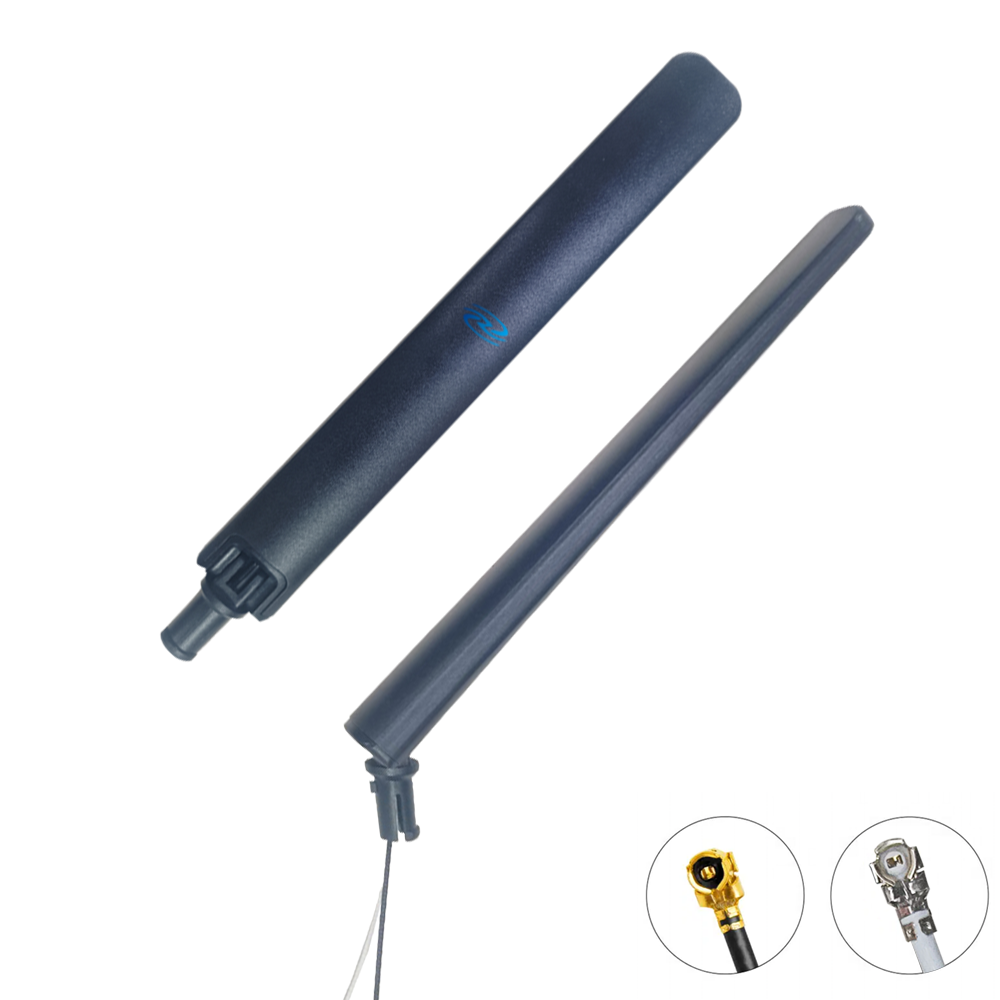
High-gain WiFi antennas are essential components in modern wireless communication systems, designed to enhance signal strength and range. For B2B buyers, including purchasing managers and engineers, understanding the key benefits of high-gain WiFi antennas is crucial for making informed decisions. This article will delve into the specifications, cost factors, common problems, applications across various industries, and the advantages of materials used in the design of these antennas. By exploring these aspects, readers will gain valuable insights into selecting the right high-gain WiFi antennas for their specific needs.
Comparing Specifications of High-Gain WiFi Antennas for Performance
When evaluating high-gain WiFi antenna, several specifications are critical to performance. Key specifications include gain, frequency range, polarization, and radiation pattern.
Gain: Measured in decibels (dB), gain indicates how well the antenna can direct or concentrate radio frequency energy in a particular direction. Higher gain typically translates to a stronger signal over longer distances, which is particularly beneficial in areas with many barriers or interference.
Frequency Range: High-gain antennas may operate across various frequency bands (e. g., 2.4 GHz, 5 GHz). The selected frequency range should align with your application requirements, as different frequencies may penetrate obstacles differently.
Polarization: This refers to the orientation of the electromagnetic waves emitted by the antenna. Common types include vertical and horizontal polarization, and matching the antenna's polarization with the transmitting device can optimize performance.
Radiation Pattern: Understanding the radiation pattern, whether omnidirectional or directional, is vital for deployment. Omnidirectional antennas provide 360-degree coverage, while directional antennas focus the signal in a specific direction, making them ideal for point-to-point connections.
Buyers should consider these specifications based on their application requirements to ensure optimal wireless communication performance.
Cost Factors to Consider When Buying High-Gain WiFi Antennas
Several cost factors impact the pricing of high-gain wireless WiFi antenna. Understanding these can help buyers make informed purchasing decisions.
Material Quality: The choice of materials significantly affects the antenna's durability and performance. For instance, antennas made from high-quality metals and plastics tend to cost more but offer superior performance and longevity.
Design Complexity: More complex designs, such as those with built-in amplifiers or advanced features like MIMO (Multiple Input Multiple Output) technology, can drive up costs. While these features enhance performance, they may also increase the initial investment.
Production Volume: Bulk purchasing often leads to cost savings. Manufacturers like Signal Plus Technology Co., Ltd., with extensive production capabilities, may offer competitive pricing for larger orders.
Customization Requirements: Custom antennas designed to meet specific operational needs may entail additional costs. Buyers should outline their specifications clearly to receive accurate quotations.
Considering these factors helps buyers balance performance and budget, ensuring they select antennas that meet their needs without overspending.
Common Problems with WiFi Antennas and Effective Solutions
Despite their benefits, high-gain WiFi antennas can encounter several common issues. Being aware of these problems and their solutions can facilitate smoother operation.
Interference: One of the most prevalent issues is signal interference caused by physical obstructions or electronic devices. To mitigate this, deploying antennas in clear line-of-sight locations or using directional antennas to focus the signal can enhance performance.
Installation Challenges: Improper installation can lead to suboptimal performance. Buyers should ensure that installation guidelines are followed meticulously and consider hiring professionals for complex setups.
Environmental Factors: Weather conditions can affect antenna performance, particularly for outdoor installations. Using weather-resistant materials and protective enclosures can help mitigate these effects.
Addressing these common problems proactively can enhance the reliability and longevity of high-gain WiFi antennas.
Applications of High-Gain WiFi Antennas in Various Industries
High-gain portable WiFi antenna have diverse applications across multiple industries. Their ability to enhance wireless communication makes them suitable for various environments, including:
Telecommunications: Used in base stations to strengthen signals for mobile and broadband communication, ensuring coverage in remote areas.
Manufacturing: In industrial settings, these antennas support real-time data transmission between machines and monitoring systems, boosting operational efficiency.
Healthcare: Hospitals utilize high-gain antennas for reliable wireless communication between devices, enabling better patient monitoring and data management.
Transportation: In vehicles and public transport systems, high-gain antennas support connectivity for tracking systems and passenger services, enhancing overall user experience.
By understanding the specific applications in their industry, buyers can select antennas that align with their operational requirements.
Understanding Material Advantages in High-Gain WiFi Antenna Design
The materials used in high-gain WiFi antenna design play a crucial role in performance and durability. Key considerations include:
Metals: High-quality metals like aluminum and copper are commonly used for antenna elements due to their excellent conductivity and resistance to corrosion. These materials ensure reliable signal transmission and reception.
Plastics: Antennas often use durable plastics for housing, which can protect internal components from environmental factors while keeping weight manageable. Advanced plastics can also improve signal quality by reducing interference.
Environmental Resistance: Materials that withstand extreme temperatures, humidity, and UV exposure are essential for outdoor antennas. Selecting the right materials enhances the antenna's longevity and reliability.
Understanding these material advantages helps buyers make informed decisions about the durability and performance of antennas in their specific environments.
In summary, high-gain WiFi antennas offer significant benefits for wireless communication. By considering specifications, cost factors, common issues, applications, and material advantages, B2B buyers can make informed decisions that enhance their operational efficiency and connectivity.
Table of Contents
- Comparing Specifications of High-Gain WiFi Antennas for Performance
- Cost Factors to Consider When Buying High-Gain WiFi Antennas
- Common Problems with WiFi Antennas and Effective Solutions
- Applications of High-Gain WiFi Antennas in Various Industries
- Understanding Material Advantages in High-Gain WiFi Antenna Design
